


We use cookies in order to enable visitors to use this website more comfortably.
It is also possible to disable cookies' by adjusting the settings for the Internet browsing software (the browser).Privacy Policy
Case Introduction(Nexty Electronics World)
Compact Hydrogen Fuel Cells for Industrial Applications
Design Development and Mass Production Support
Background
As of 2020, the global average temperature has risen by approximately 1.1 °C since the pre-industrial era of 1850–1900, when greenhouse gases began increasing. *1
Due to the climate change associated with this temperature rise, there are concerns that the risk of heavy rains and extreme heat and their impact on the ecosystem will continue to intensify in the years to come. This has led to an urgent need to work toward achieving net zero greenhouse gas emissions through a "carbon neutral" approach.
This is one of the reasons that hydrogen fuel is garnering attention as a means of achieving clean energy.
* 1 Source: Ministry of Environment
Our Solution
By drawing on our extensive experience in handling electronics products in Japan and abroad, we have begun handling hydrogen fuel cells, which contribute to the reduction of greenhouse gas emissions. We also offer technical support and semi-customization solutions for quick, easy implementation in collaboration with our partnered companies, to assist our customers in successfully developing and launching hydrogen fuel cell systems.
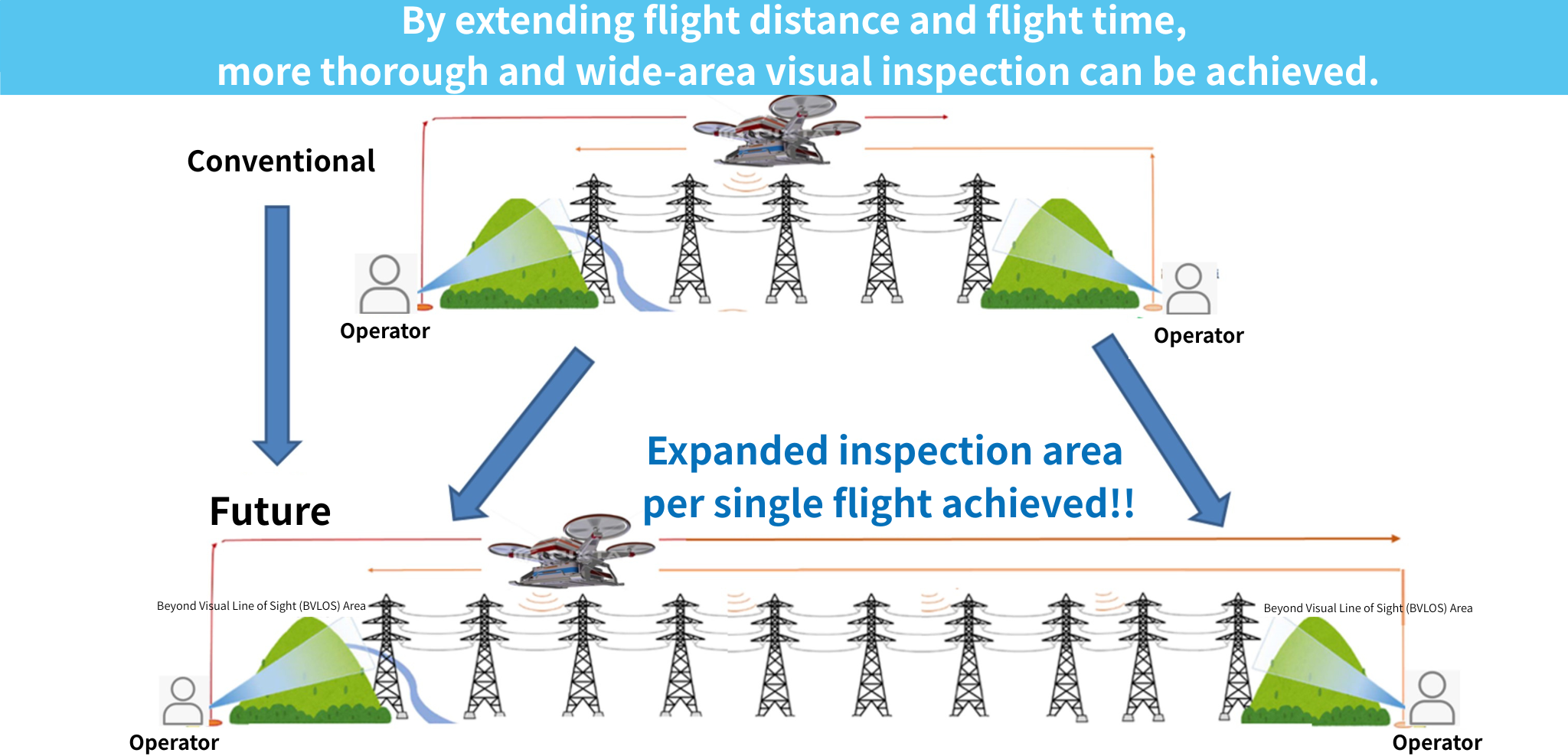
Major intended applications are for relatively small electronic devices used in industrial vehicles such as AGVs (Automatically Guided Vehicles) and golf carts, as well as various robots, drones, and small agricultural machinery and equipment.
Hydrogen fuel cells offer a number of advantages over lithium-ion batteries as a drive source of these, including improvements in operating time and carrying capacity.
Compared to gasoline, hydrogen also offers the obvious benefit of much better eco-friendliness as it reduces the amount of carbon dioxide emissions, which is another reason why we are committed to helping solve society's challenges in line with the government's goal of achieving carbon neutrality by 2050.
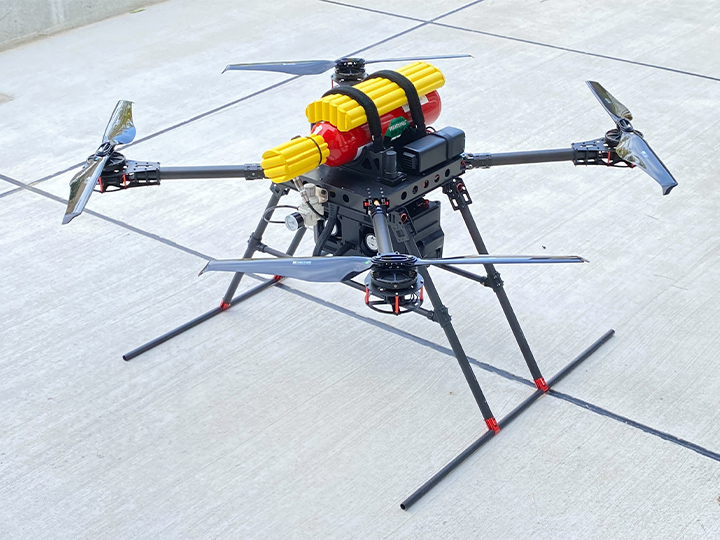 | 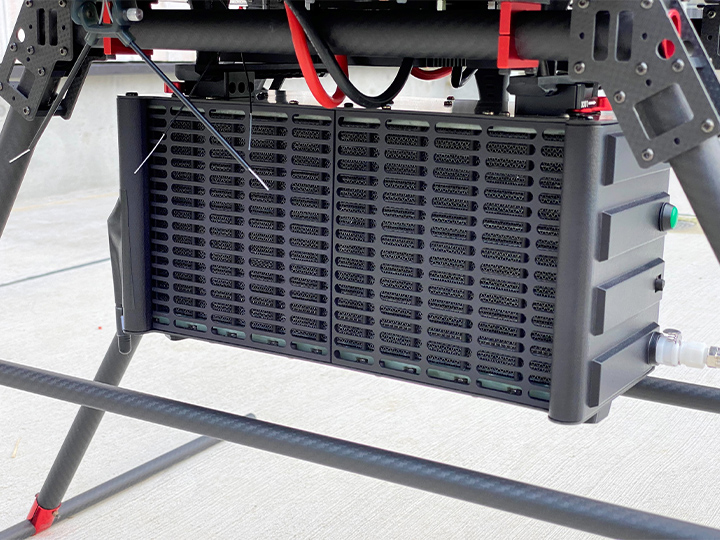 |
| Drone with hydrogen fuel cell stack | Hydrogen fuel cell |
Technical Information
Advantages of Fuel Cells
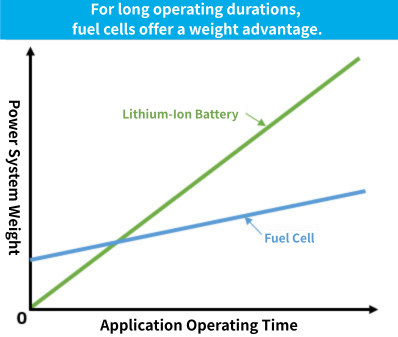
- ・Compared with lithium-ion batteries, hydrogen has a higher gravimetric energy density. Therefore, in applications requiring long operating times, fuel cells offer a weight advantage.
- ・Compared with gasoline engines, fuel cells operate at a lower noise level, providing a quieter environment.
- ・Fuel cells emit only water. They are a clean and environmentally friendly energy source.
| Power Source | Hydrogen Fuel Cell | Gasoline Engine | Lithium-Ion Battery |
|---|---|---|---|
| Operating Time | ◎ | ◎ | × |
| Noise Level / Quiet Operation | ○ | × | ◎ |
| Environmental Impact | ○ | × | ○ |
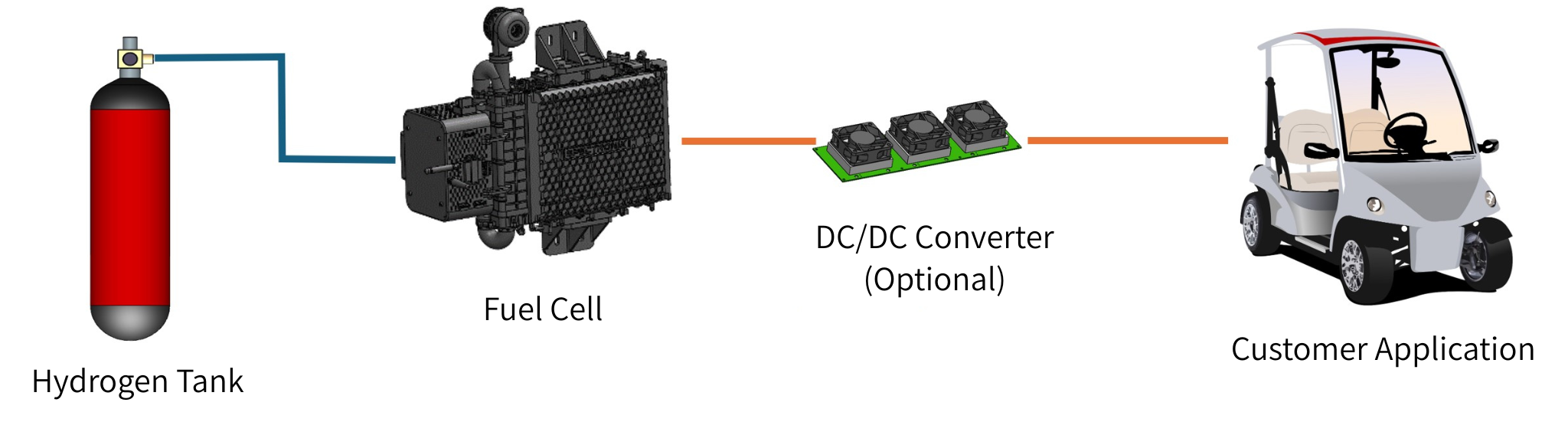
Basic Fuel Cell System Configuration
The basic configuration required to realize a fuel cell system is as follows.
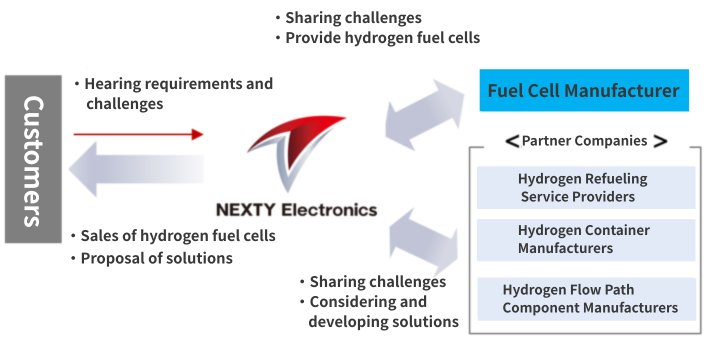
Technical support
NEXTY Electronics provides fuel cells tailored to customers’ applications and, in collaboration with partner companies, also offers technical support that includes peripheral equipment.
Intended Applications of Fuel Cells
We offer a wide-ranging lineup from low output to high output, enabling application across a variety of uses.
-

Golf Carts
-

AGVs
-

Drones
-

Portable Generators
-

Service Robots
Hydrogen Fuel Cell Product Lineup
SPECTRONIK
The lineup includes models with output ratings of 1,000 W and 3,000 W.
By adopting a closed-cathode air-cooled configuration, a low-cost system configuration is achieved.
An original graphical user interface (GUI) is also provided, enabling intuitive and user-friendly operation.
In addition, real-time monitoring is supported, and operational log data can be recorded as needed.
| Alternative Model | Protium-1000 | Protium-3000 |
|---|---|---|
| Photo |  | 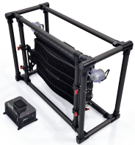 |
| Rated Output | 1000W | 3000W |
| Output Voltage | 18-27V | 48-72V |
| Weight | Approx. 5.1 kg | Approx. 10 kg |
| Dimensions | 331 × 174 × 317mm | 647 × 344 × 170mm |
H3Dynamics
H3 Dynamics offers a lineup ranging from 300 W to 2,000 W.
All models adopt an open-cathode, air-cooled design, achieving a lightweight and compact configuration.
Because the packaging is designed to be extremely simple, integration with various applications can be carried out easily.
In addition, the system is equipped with a hybrid board that enables operation in combination with a battery.
| Model Number | A-300 | A-800G-2 | A-1200LV | A-2000 |
|---|---|---|---|---|
| Photo |  |  |  |  |
| Rated Power Output | 300W | 800W | 1200W | 2000W |
| Rated Output Current | 0-13A | 0-30A | 0-47A | 0-45A |
| Output Voltage | 24.5-35.2V | 32.0-47.5V | 32-47.5V | 37-59.8V |
| Weight | Approx. 0.72 kg | Approx. 1.45 kg | Approx. 2.15 kg | Approx. 3800 g |
| Dimensions | 122 × 123 × 112mm | 204 × 153 × 159mm | 279 × 127 × 143mm | 302 × 120 × 145mm |
TerraLIX
TerraLIX is an air-cooled fuel cell that adopts a closed-cathode design.
Stable operation is possible even in low-temperature environments down to −35 °C, and the products also offer excellent durability.
The lineup includes the HYCUS N Series fuel cell stacks, HYCUS X Series fuel cell modules, and the HYCUS XR portable fuel cell packs, supporting a wide range of applications.
HYCUS Nシリーズ
| Model Number | HYCUS N1 | HYCUS N2 |
|---|---|---|
| Photo | 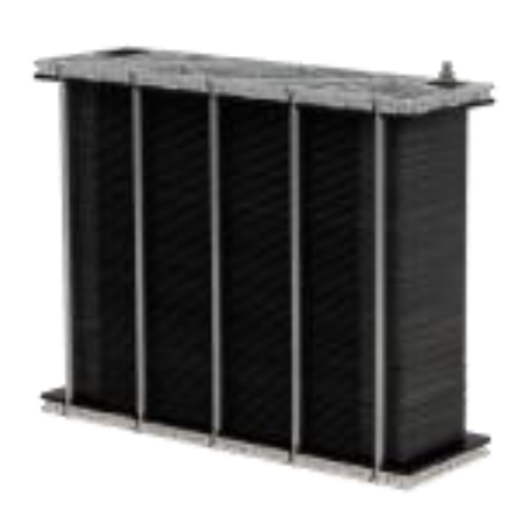 | 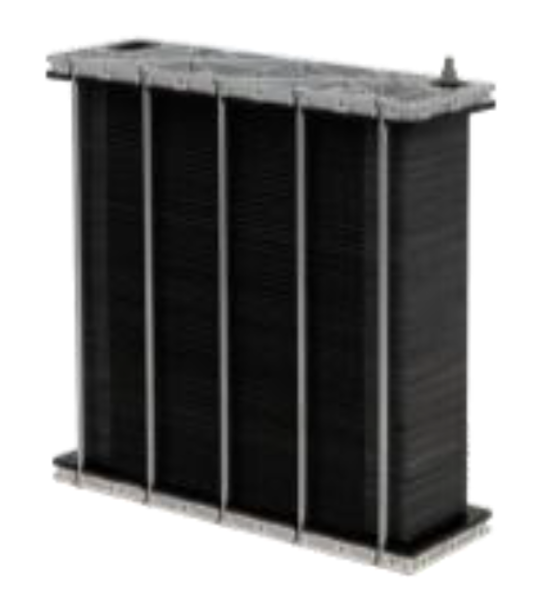 |
| Rated Output | 1400W | 2000W |
| Output Voltage | 42-63V | 49-75.6V |
| Weight | Approx. 1.17 kg | Approx. 1.4 kg |
| Dimensions | 215 × 70 × 176mm | 215 × 70 × 206mm |
HYCUS X Series
| Model Number | HYCUS X1 | HYCUS X2 | HYCUS X3 | HYCUS X4 |
|---|---|---|---|---|
| Photo | 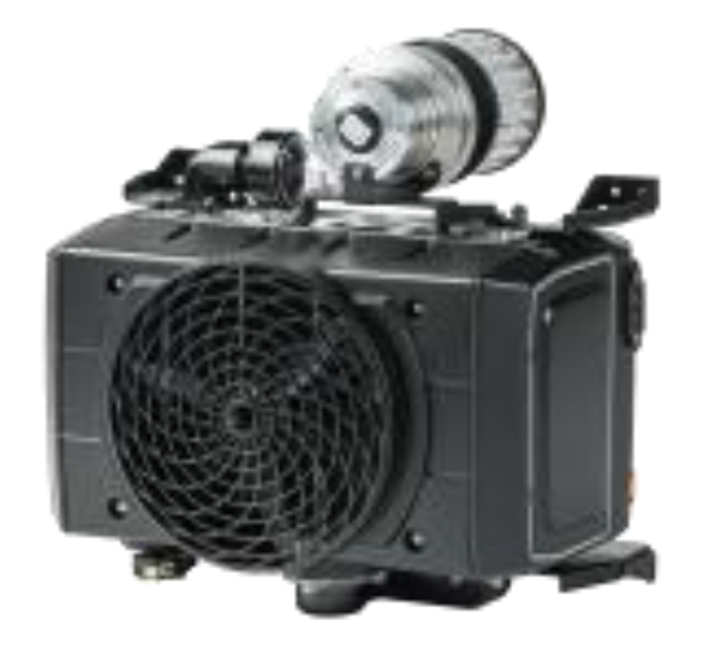 | 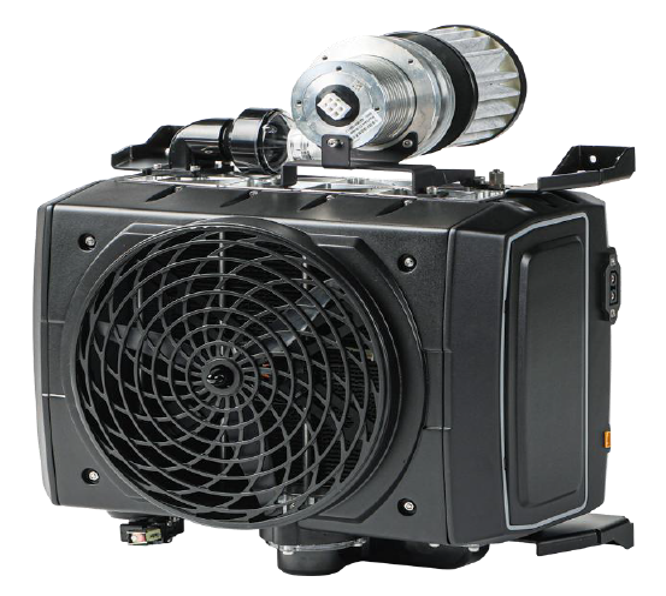 | 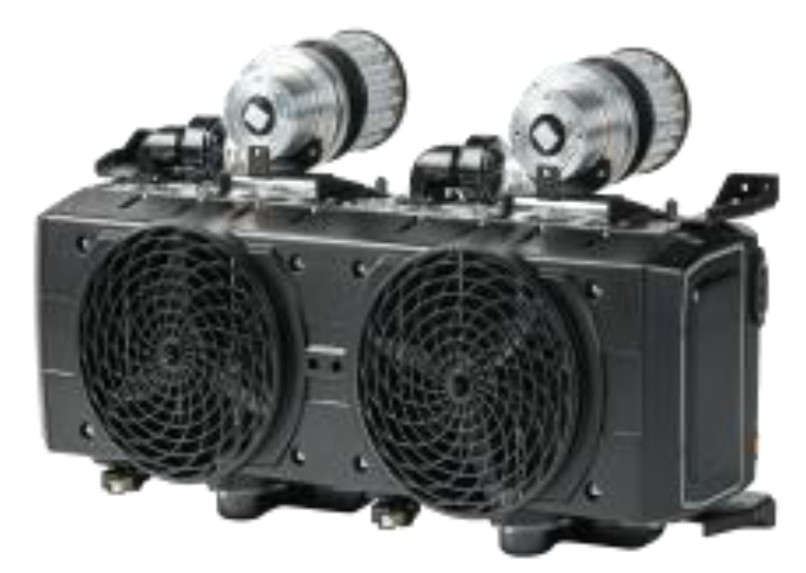 | 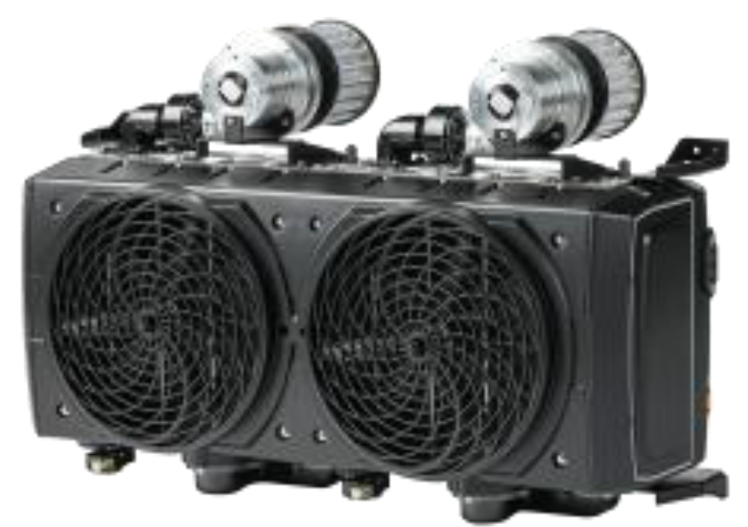 |
| Rated Output | 1250W | 1600W | 2500W | 3500W |
| Output Voltage | 48V | 49-75.6V | 86.4-126V | 98-151.2V |
| Weight | Approx. 3.1kg | Approx. 3.4kg | Approx. 5.7kg | Approx. 6.3g |
| Dimensions | 290 × 227 × 293mm | 290 × 227 × 331mm | 506 × 227 × 293mm | 509 × 224 × 332mm |
HYCUS XR
| Model Number | HYCUS XR |
|---|---|
| Photo |  |
| Rated Output | 1500W |
| Output Voltage | 50-55V |
| Weight | Approx. 55kg |
| Dimensions | 830 × 400 × 400mm |
Toyota Industries Corporation
This power generation module is equipped with second-generation fuel cells from the Toyota “MIRAI” and achieves industry-leading high efficiency. It adopts a hydrogen fuel cell stack with a proven mass-production track record in forklift applications, ensuring reliable and long-term operation. Two types are available to suit different applications: one that allows flexible system design, including the use of waste heat, and another with a built-in radiator that simplifies mass-production-oriented design.
| Model Number | External Cooling Unit Type TFCM2-08B | Integrated Cooling Unit Type TFCM2-08R | |
|---|---|---|---|
| Photo | 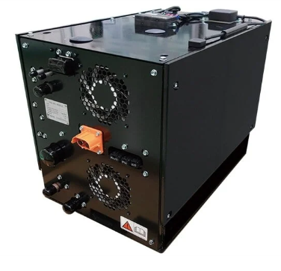 | 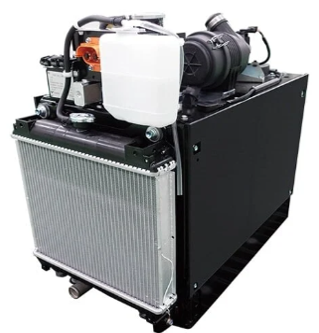 | |
| Performance | Rated Power Output*¹[kW] | 8.0 | 8.0 |
| Output Voltage [V] | 48 | 48 | |
| Overall Dimensions | W × D × H [mm] | 440×650×558 | 440×742×720 |
| Weight [kg] | 147 | 159 | |
| Ambient Temperature | Standard Specification | 0~40℃ | 0~40℃ |
| Sub-zero Temperature Specification | -20~40℃ | -20~40℃ | |
| Hydrogen Supply Pressure | Standard Specification | 0.6~1.6MPa (abs) | 0.6~1.6MPa (abs) |
| Low-pressure Specification | Below 85~100kPa (G) | Below 85~100kPa (G) | |
All values are nominal values based on the company’s test conditions and may differ depending on actual operating conditions.
*¹ BOL (Beginning of Life) performance
Track Record
Successful Flight Demonstration of Japan’s First Fuel Cell Drone Approved Under a Special Ministerial Authorization
A drone equipped with a fuel cell supplied by NEXTY Electronics successfully completed a flight demonstration as Japan’s first fuel cell drone, after obtaining special authorization from the Ministry of Economy, Trade and Industry.
The fuel cells provided were manufactured by H3 Dynamics, and we provided technical support for system integration.
Development of a fuel-cell-powered water surface waste collection drone
As an independently planned project by NEXTY Electronics, a water surface drone originally powered by lithium-ion batteries was modified and converted to a fuel cell system manufactured by Spectronik and supplied by us. As a result, the operating range was successfully doubled.
Development of a Fuel Cell–Powered Electric Mowers
NEXTY Electronics is providing fuel cells and technical support for electric mowers manufactured and sold by UNIC Co., Ltd. Through this collaboration, an environmentally friendly electric mower capable of long operating hours is currently under development.
Toyota Engineering Society Soccer Robot
A soccer robot developed by Toyota Motor Corporation (Toyota Engineering Society) was equipped with a fuel cell provided by NEXTY Electronics. With technical support from NEXTY Electronics, the robot was successfully unveiled at an event held on November 27, 2022.
Demonstration experiment of a distributed energy storage system utilizing renewable hydrogen
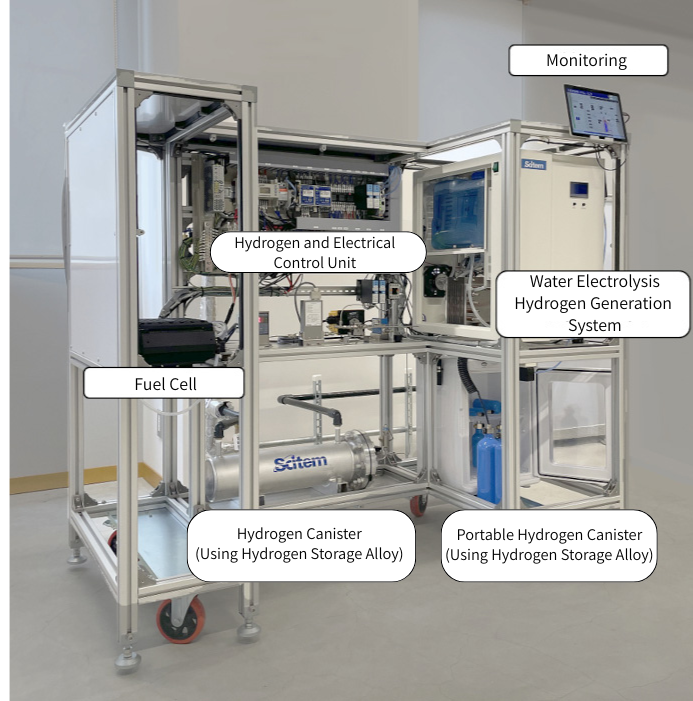
A locally produced and locally consumed renewable energy system utilizing a hydrogen storage alloy tank “Canister” and a hydrogen generation system manufactured by Scitem Co., Ltd., both developed through industry–academia collaboration among Institute for Regional Revitalization, Kanazawa Institute of Technology, GITA Co., Ltd., and SEIKO DENKI LTD., has adopted hydrogen fuel cells handled by NEXTY Electronics. The system is currently undergoing demonstration testing.
Go to the Kanazawa Institute of Technology Article PageOur Strengths
- Decades of experience in sales and marketing of electronic products
- We have the expertise to recommend total solutions tailored to customer needs through collaborations with our partner companies