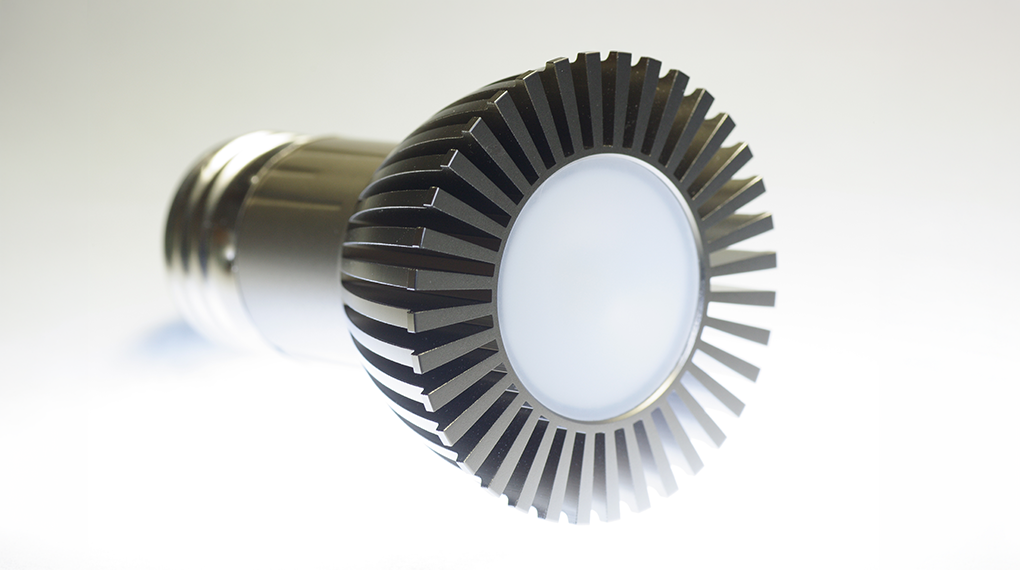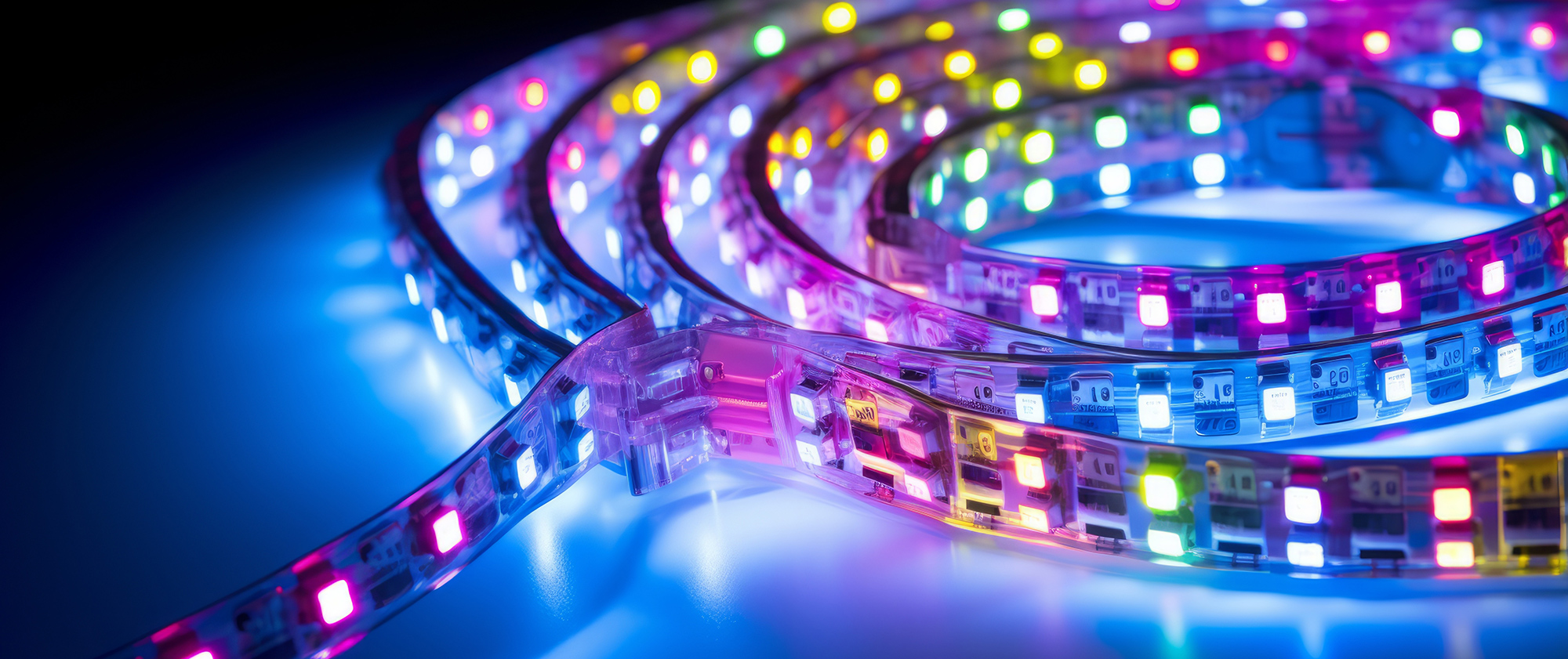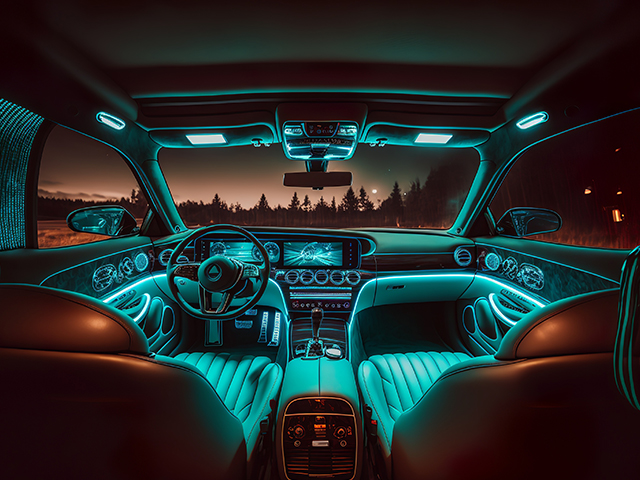
LEDs are widely used in our daily lives, and there are many options for how they are lit.
In this column, we will explain how differences in lighting methods affect how LEDs are used.
Constant current drive/constant voltage drive
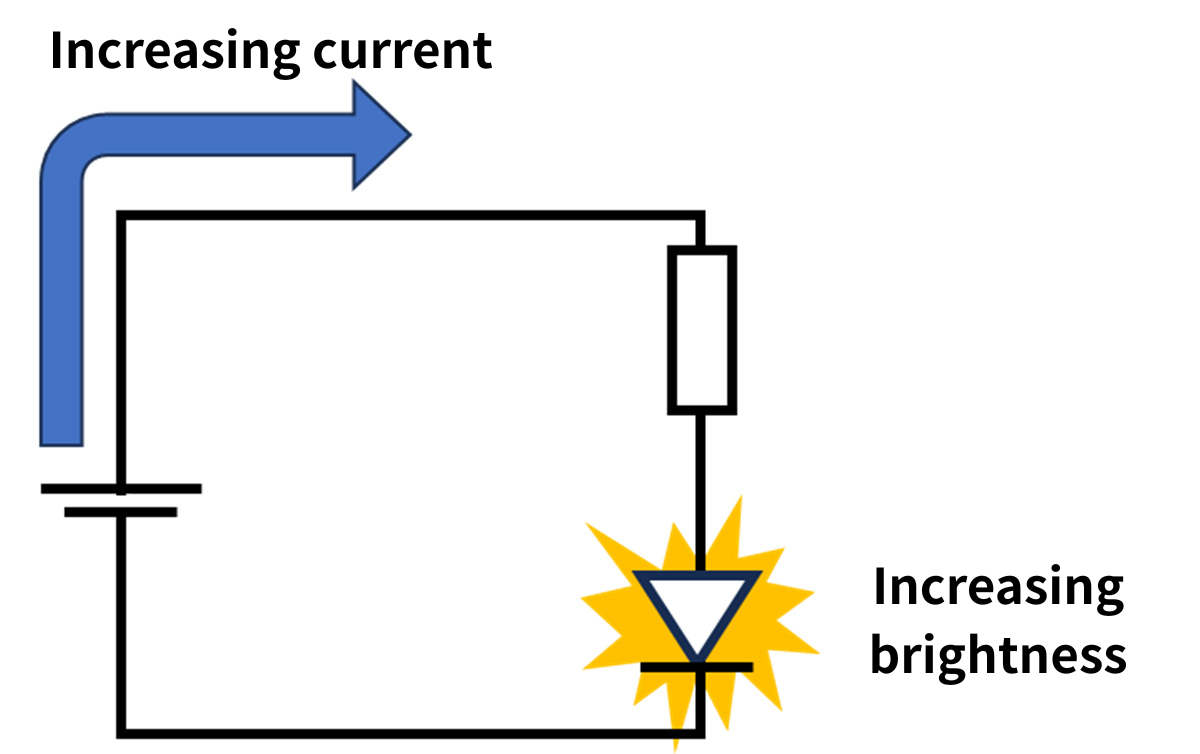
An LED's characteristic is that it becomes brighter as the forward current increases.
This characteristic must be taken into consideration when driving an LED, and the method of driving an LED by keeping both the current and voltage constant is called constant current drive/constant voltage drive.
Constant Current Drive
Constant current drive keeps the current flowing through the LED constant, resulting in stable brightness.
This method can prevent thermal runaway of the LED and suppress fluctuations in brightness caused by temperature changes and individual differences in the LED.
However, electronic components and circuit design are required to maintain a constant current, which can increase costs and complicate the driver circuit.
Constant voltage drive
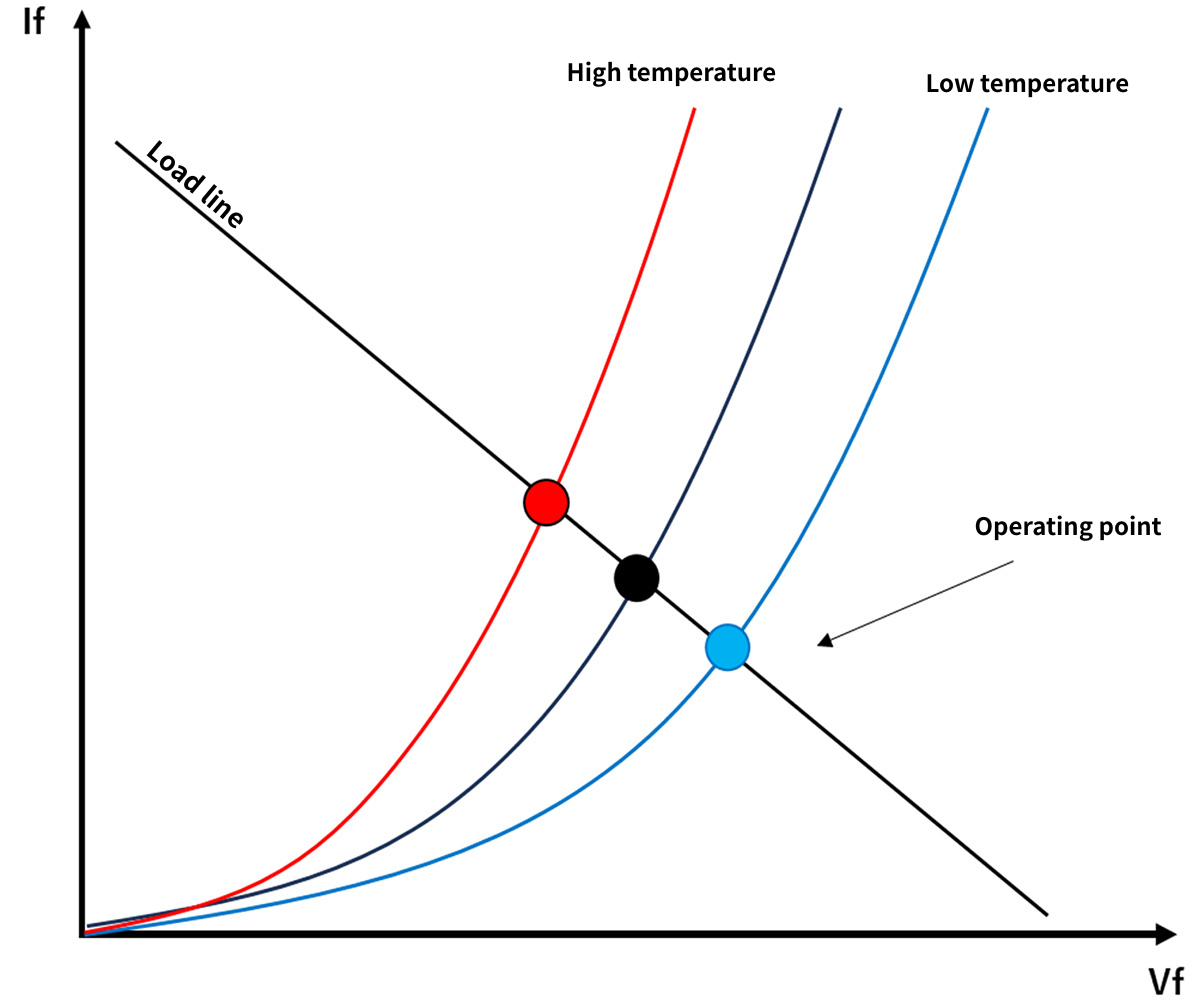
On the other hand, constant voltage drive circuits are relatively simple and easy to design, which helps keep costs down.However, since the forward voltage of LEDs varies from one LED to another, the current flowing through each LED varies, which can result in variations in brightness.
For example, as the temperature rises, the forward voltage decreases and the forward current increases accordingly.
Therefore, in terms of LED characteristics, variations in the voltage of individual LEDs lead to variations in brightness.
Series and parallel connections
This section explains how to connect multiple LEDs.
There are two ways to connect LEDs: in series or in parallel, so let's take a look at each case.
Series connection
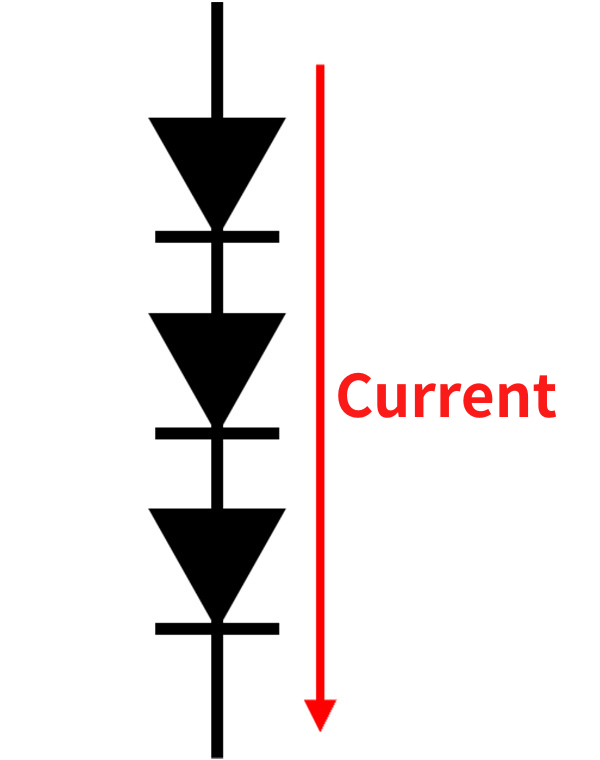
In a series connection, LEDs are connected in a row, with the same current passing through each LED, and the overall forward voltage is the sum of the forward voltages of each LED.
merit
-Series connection makes the circuit simpler and requires less wiring.
- Since the same current flows through all the LEDs, they will light up with uniform brightness.
Disadvantages
・If any of the LEDs in the series connection fails, the LEDs in the entire circuit will not light up.
・As the number of LEDs increases, the required voltage also increases, which can make it difficult to select POWER SUPPLIES.
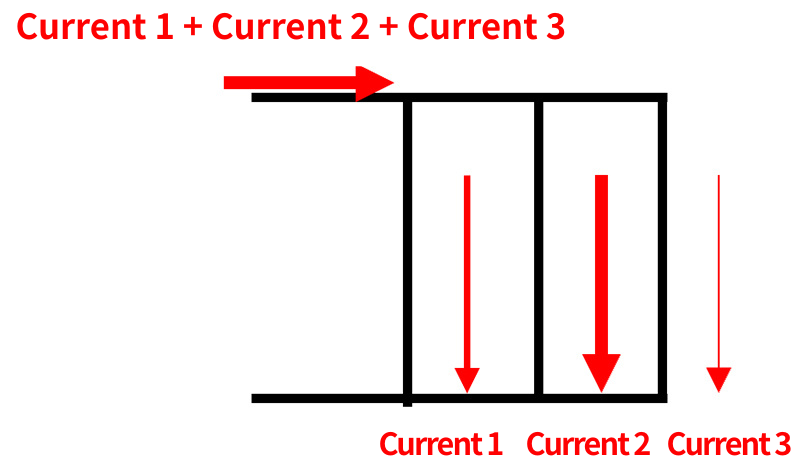
Parallel connection
In parallel connection, LEDs are connected independently. In this case, the same voltage is applied to each LED, but if the forward voltage of each LED is different, the current that flows through each LED will be different.
merit
- Even if one LED fails, the other LEDs will continue to light, improving overall reliability.
- Because different currents can be passed through each LED, it is possible to combine LEDs with different characteristics.
Disadvantages
- If the Vf of each LED is different, the current flow will be uneven, resulting in variations in brightness.
・When connecting multiple LEDs in parallel, a design is required to ensure that the appropriate current flows through each LED.
Types of LED DRIVER ICs
LED DRIVER is an IC component used to drive and control an LED when lighting it.
Using LED DRIVER offers many benefits, including accurate current control, thermal management, implementation of complex control functions, load balancing, efficient POWER SUPPLIES management, simplified design, noise immunity, and scalability.
Multi-channel driver
The multi-channel method uses LED DRIVER with multiple independent channels, with each channel controlling a different LED.
This allows each channel to have its own current and voltage control, making it possible to adjust the brightness and color of different LEDs independently.
In addition to individually controlling multiple single-color LEDs, dimming is also possible by individually controlling each RGB LED chip.

Multi-channel LED driver example
Matrix Driver
LEDs arranged in a grid pattern are called dot matrix LEDs and are used in LCD backlights, signage, etc. This is a system that lights up specific LEDs by controlling the rows and columns that correspond to the LEDs.
Unlike the multi-channel method, where each LED is controlled individually, when driving a dot matrix LED, it is controlled by rows and columns.

Matrix type LED driver example