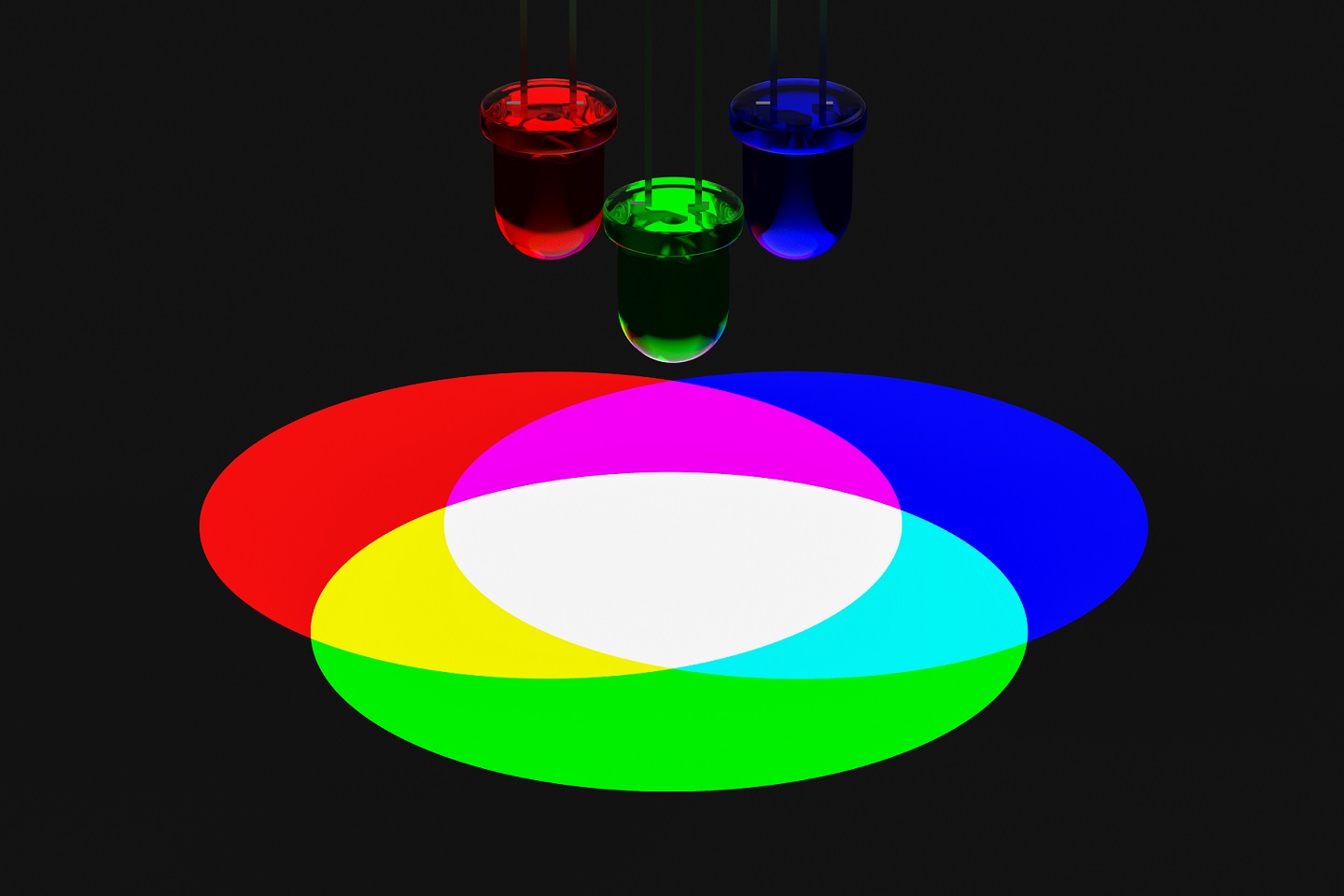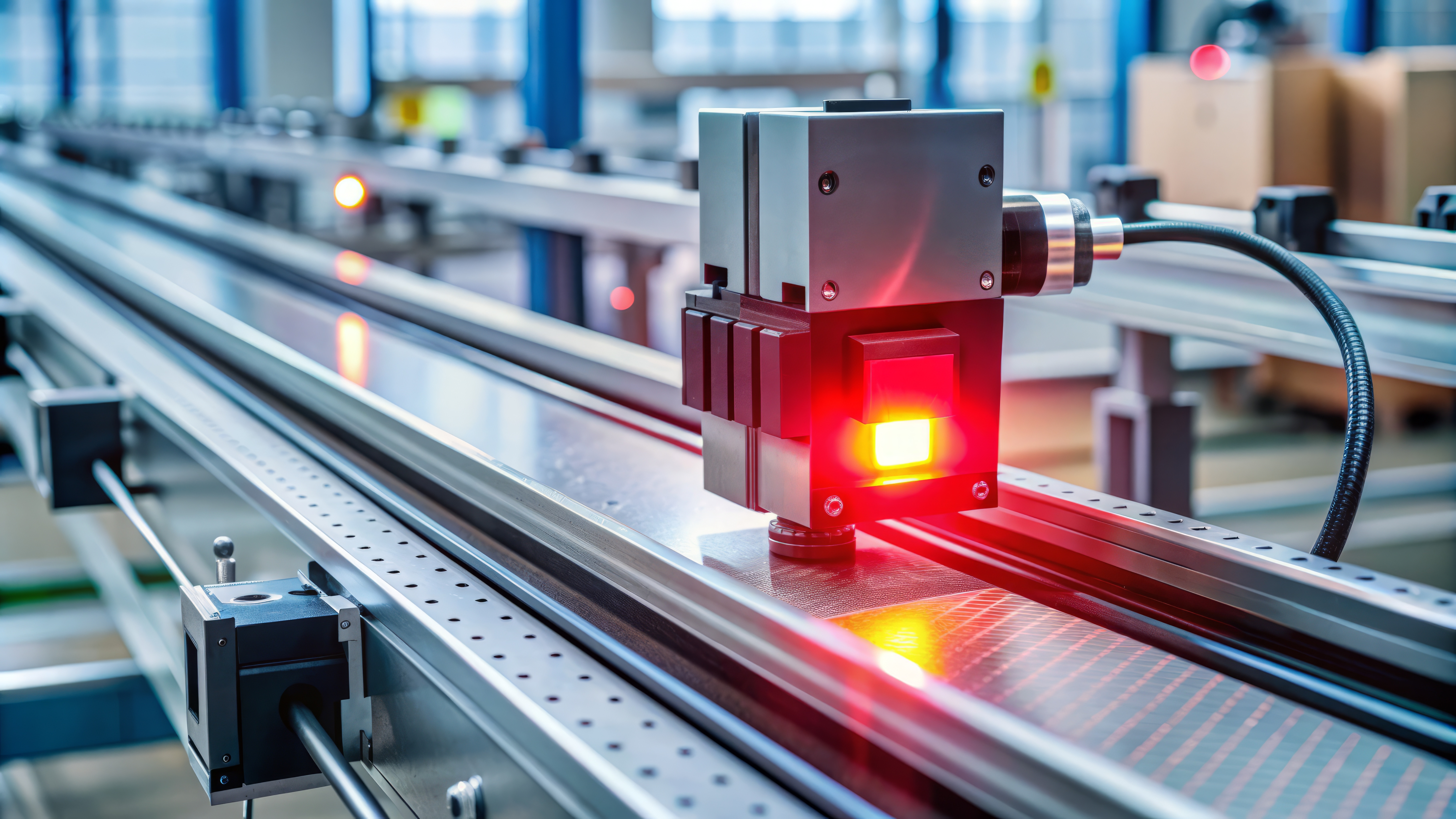
When light is emitted from devices such as LEDs and semiconductor lasers, PHOTOSENSORS is essential to detect that light and convert it into a signal. There are many different types of PHOTOSENSORS, so you may be overwhelmed when selecting one. This column explains the basic types and uses of PHOTOSENSORS. We hope this article will clear up any confusion when selecting PHOTOSENSORS and help you select components.
What is PHOTOSENSORS?
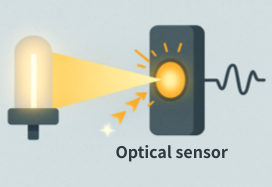
PHOTOSENSORS is an electronic component that converts light into an electrical signal.
It detects external light such as visible light, infrared light, and ultraviolet light, and outputs its intensity and changes as electrical information.
They are widely used in our daily lives, such as in automatic doors, lighting control, and position detection for industrial equipment.
Types of PHOTOSENSORS
There are several types of PHOTOSENSORS, each with different characteristics and uses.
Some of the most representative ones are introduced below.
DIODES
A DIODES is a device that generates a current when exposed to light.
Depending on the structure, there are pn junction types, pin junction types, avalanche DIODES (APDs), and others.
Characterized by high-speed response and high sensitivity, they are used in a wide range of applications, including optical communications, barcode readers, and illuminance meters.
pn-type DIODES
This is the most basic DIODES.
When light is irradiated onto the depletion layer around the pn junction, electrons and holes are generated by the photoelectric effect, causing a current to flow.
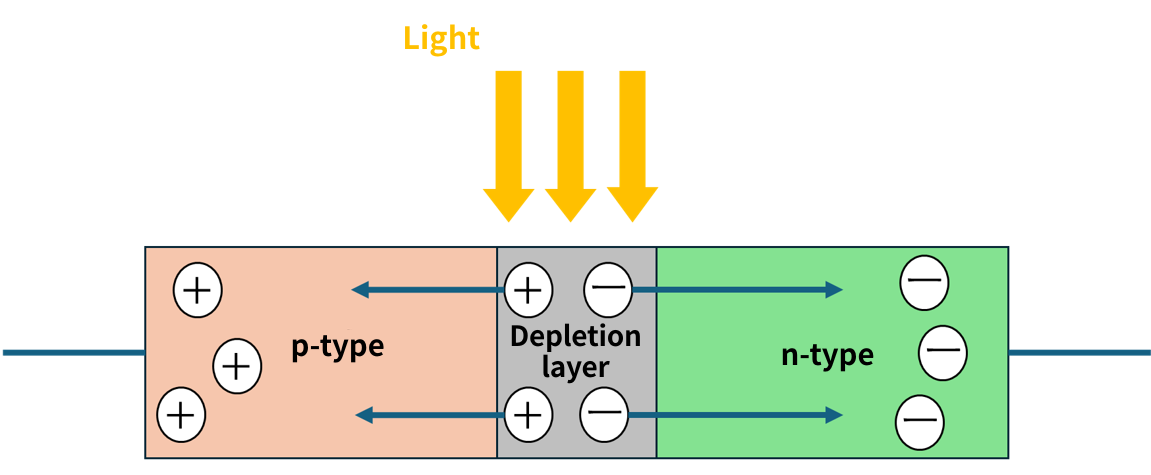
Figure 1: pn DIODES structure diagram
pin-type DIODES
This DIODES has a structure in which an i-type semiconductor is sandwiched between a p-type semiconductor and an n-type semiconductor.
The depletion layer can be made wider by sandwiching an i-type semiconductor between the p-layer and n-layer.
The wider the depletion layer, the more electrons and holes can be generated when exposed to light, resulting in higher sensitivity and lower noise than DIODES, making them suitable for precise light measurement and high-speed communications.
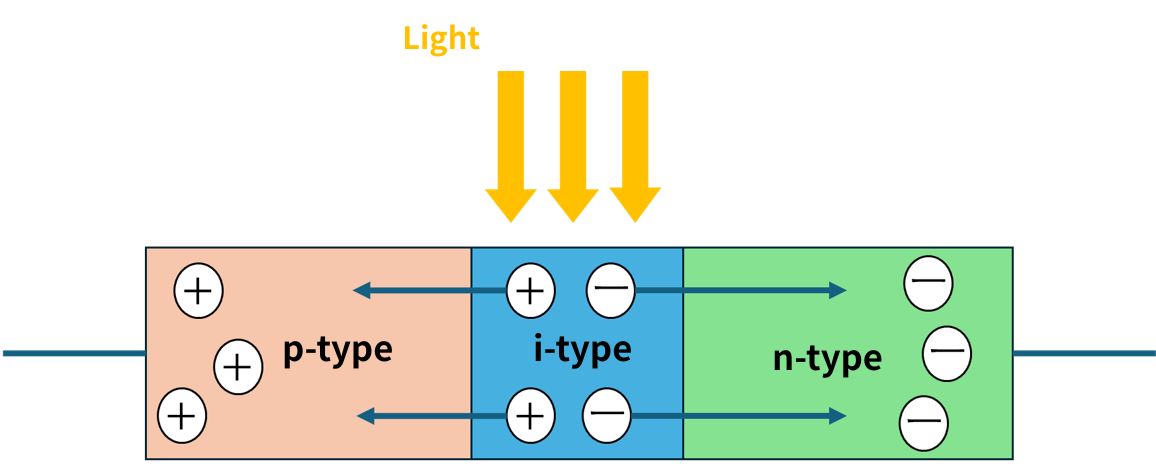
Figure 2: Structure of a pin-type DIODES
Avalanche DIODES
An avalanche DIODES is a DIODES that uses the avalanche effect to detect light.
In avalanche DIODES, a higher voltage is applied than in other DIODES to strengthen the electric field in the depletion layer.
When light hits the depletion layer in this state, the generated electrons accelerate and move, colliding with other atoms to generate additional electrons and holes, which then collide with other atoms to generate new electrons and holes.
This effect is called the electron avalanche effect, and this DIODES utilizes this phenomenon.
It has very high sensitivity and can detect even weak light, but it is more expensive than other DIODES.
There is also a device called a single photon avalanche DIODES (SPAD), which detects a single photon.
This is used for multi-zone ToF sensors and LiDAR.
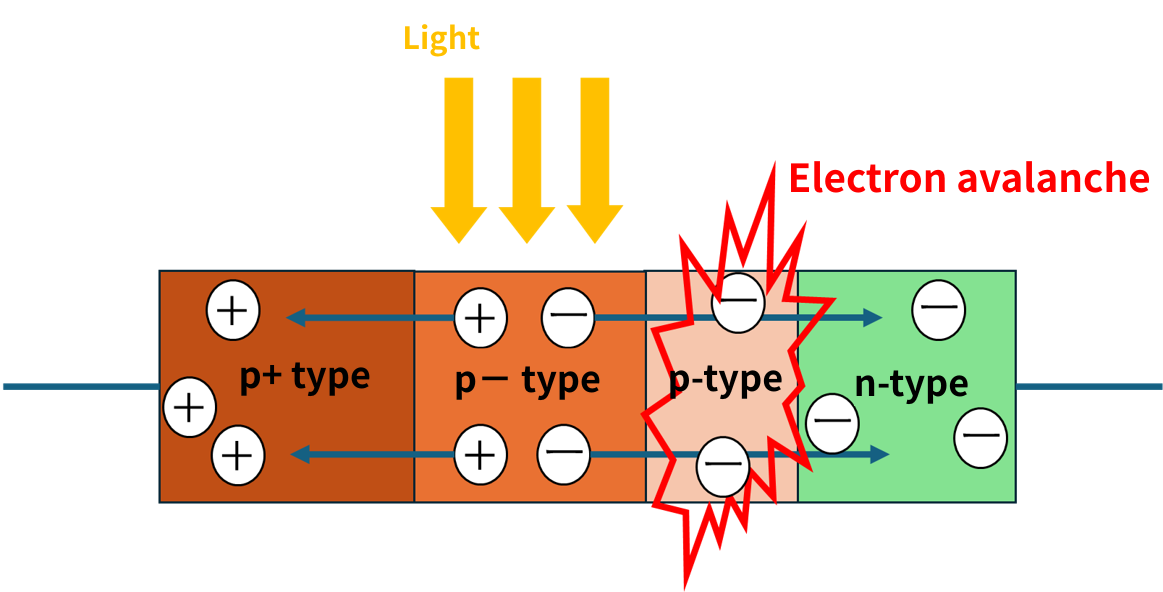
Figure 3: Avalanche DIODES structure diagram
TRANSISTORS
A TRANSISTORS is TRANSISTORS that operates when light hits the base of TRANSISTORS.
When exposed to light, a base current is generated, causing a large current to flow between the collector and emitter.
Unlike DIODES, they can amplify current and are therefore suitable for situations where a larger output signal is required. However, their response speed and linearity are inferior to those of DIODES.

Figure 4: TRANSISTORS equivalent circuit
Photo IC
A photo IC is a highly functional light receiving device that integrates a DIODES with a signal amplification/processing circuit and an output circuit.
The signal processing circuit located after PHOTO DETECTORS simplifies the design and achieves high reliability.
For example, in the case of a DIODES, when light is received and a weak current is generated in PHOTO DETECTORS, an external circuit is required to process this. However, a photo IC amplifies the weak current with its built-in amplifier and can process signals in a single package, outputting an analog voltage as needed, or a digital signal when a certain threshold is exceeded.
Some products have temperature compensation circuits and serial communication functions, greatly expanding the flexibility of applications.
Photo ICs have the following characteristics when compared with DIODES and TRANSISTORS.
It is important to select the right sensor based on the requirements of your application.
DIODES
This is the type to be selected when price and response speed are important. It is suitable for applications that require linearity and precision, but the output is so small that an external amplifier is required.
TRANSISTORS
It can be used in simple circuits such as simple ON/OFF detection. Although it has high sensitivity, its response speed is slower than that of a DIODES.
Photo IC
It is suitable for cases where simplification of design and high stability are required.
Table 1: Comparison table of DIODES, TRANSISTORS, and photo ICs
| Item | DIODES | TRANSISTORS | Photo IC |
|---|---|---|---|
| sensitivity | Medium to high | Expensive | Very high |
| Response speed | Very fast | Somewhat slow | Configuration dependent |
| Output format | minute current | Amplified Current | Various voltage/digital signals |
| price | Cheap to medium | Inexpensive | Moderate to expensive *Varies by function |
Application examples using PHOTOSENSORS
PHOTOSENSORS are used in a variety of areas in our daily lives and in industry. Below are some typical application examples.
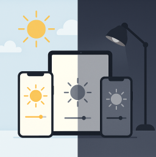
Automatic brightness adjustment for smartphones and TABLETS
The device detects the ambient brightness and automatically adjusts the display backlight.
This makes the display easy to see outdoors and gentle on the eyes in dark places, while also contributing to power savings.
DIODES with fast response and high linearity are often used.
Automotive ambient light sensors
It detects the brightness outside the vehicle and is used to automatically turn on and adjust the headlights and meter lights.
It automatically optimizes driver visibility when entering tunnels or driving at night.
Photo ICs with analog or digital output are often used, and temperature compensation and noise resistance are also taken into consideration.

Distance measurement and 3D sensing using ToF sensors
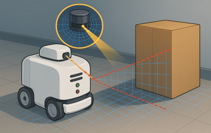
ToF PHOTOSENSORS are used in facial recognition on smartphones, obstacle detection in robots, and industrial automation equipment.
By shining light towards the target and measuring the time it takes for the reflected light to return, the distance can be measured with high accuracy.
3D sensing is also possible by measuring the distance to multiple points on an object.
Because fast response and high sensitivity are required, DIODES are mainly used, and in particular SPAD, a type of avalanche DIODES, is sometimes used.
Remote control receiver
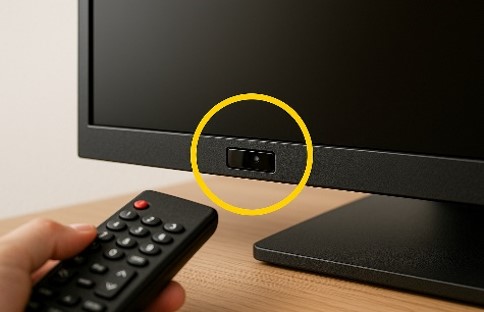
In home appliances such as televisions and air conditioners, PHOTOSENSORS are used to receive infrared signals from infrared remote controls. TRANSISTORS are often used because they can be implemented at low cost.
Safety sensors for automatic doors and elevators
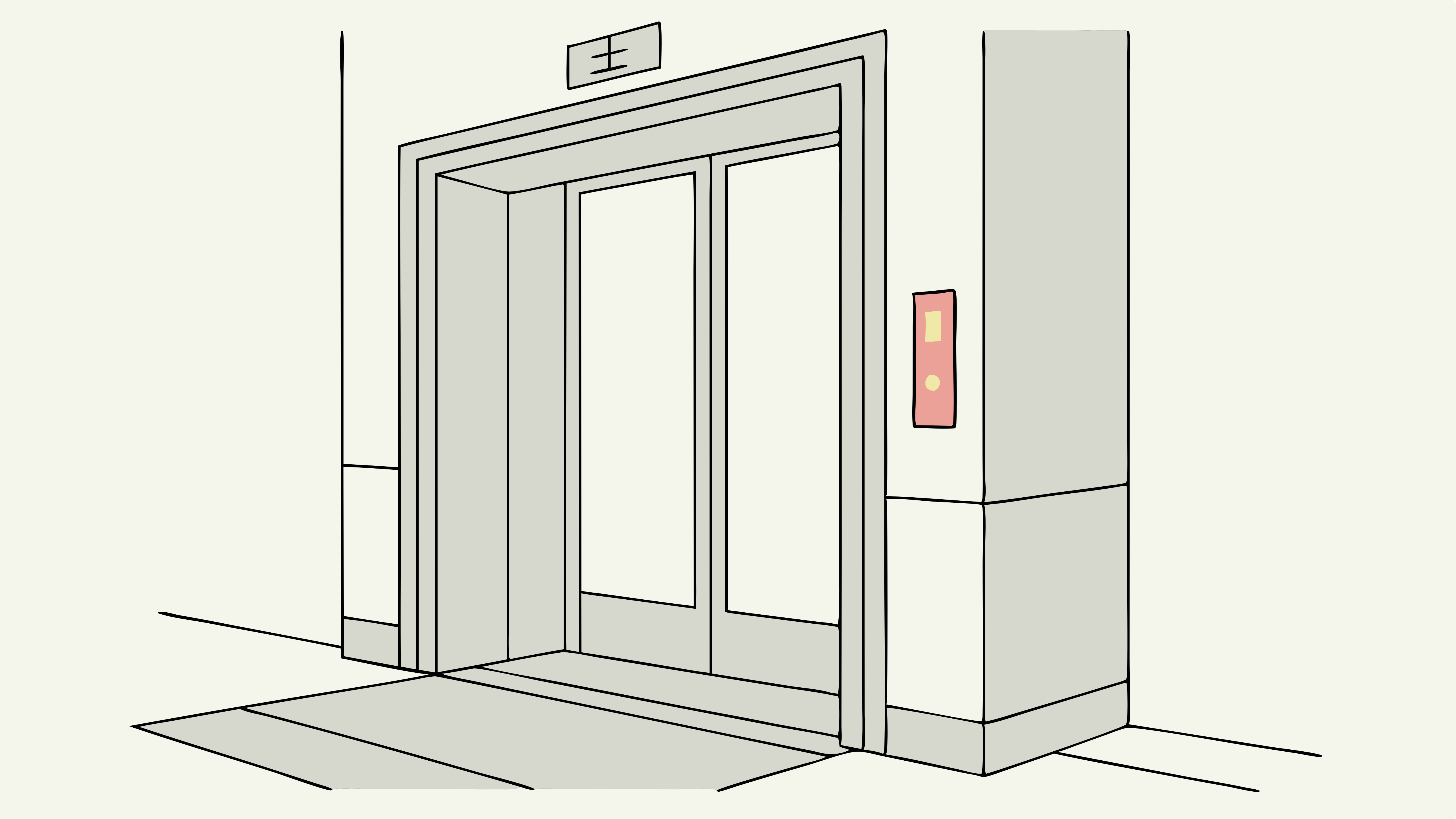
It detects the presence of people and objects and is used to open and close automatic doors and for safety control of elevators.
This prevents accidents and improves convenience. TRANSISTORS, which offer a good balance between cost and sensitivity, are often used.
Summary
In this column, we explained about PHOTOSENSORS, which receive light.
Sensor selection is important because requirements such as response speed, sensitivity, output format, and noise resistance vary depending on the application.
We hope that this column will help you understand the basic points to consider when selecting PHOTOSENSORS and provide you with some useful guidelines for your future designs.
If you have any trouble selecting PHOTOSENSORS components, please feel free to contact us.
In addition to PHOTOSENSORS, we also have articles that explain the light-emitting elements such as LEDs, infrared LEDs, and lasers, so please take a look at those as well.