

- Vishay Intertechnology, Inc.
- NEXT Mobility
- ICT and Industrial
- Smart Factories and Robotics
As POWER SUPPLIES designs become increasingly efficient and higher frequency, the rectifier's reverse recovery characteristics directly affect system losses and EMI. Vishay's FRED Pt® GEN7 achieves typical characteristics, including a trr (reverse recovery time) as short as approximately 45 ns, a Qrr (reverse recovery charge) of 95 to 165 nC, and a VF (forward voltage) of 1.1 to 1.6 V, achieving both reduced SWITCHES losses and EMI suppression. It also supports voltages up to 1200 V and forward currents up to 2 A. Its compact SMA and SMF packages contribute significantly to the miniaturization of equipment. This article provides a practical explanation of the GEN7's technical background, circuit application examples, and model selection criteria.
Key Technology Description
FRED Pt® GEN7 utilizes Vishay's proprietary platinum doping technology to optimize device lifespan and reverse recovery characteristics. Its unique planar structure technology provides uniform electric field distribution, enabling high breakdown voltage. This provides the following technical features:
- Ultra-fast recovery time (trr): This is the time it takes for DIODES to return to forward bias from reverse bias. A fast response of as little as 45 ns reduces energy loss during SWITCHES, directly leading to improved efficiency and reduced EMI.
- Low reverse recovery charge (Qrr): This is the amount of charge that flows when DIODES reverses. By keeping Qrr as low as 95nC, current spikes during SWITCHES are suppressed, resulting in reduced EMI and SWITCHES losses.
- Wide temperature range (-55°C to +175°C): Advantageous in situations where reliability in high-temperature environments is required, such as in automotive and industrial applications.
- Forward voltage drop (VF): VF is the voltage drop that occurs when DIODES is conducting. A minimum of 1.1V reduces power loss during conduction and improves overall efficiency.
- AEC-Q101 Qualification: AEC-Q101 is the reliability standard for automotive semiconductors, and certified models can be easily adopted for automotive POWER SUPPLIES and EV/HEV applications.
Product overview
Withstand voltage: Supports up to 1200V, which is necessary for POWER SUPPLIES designs that handle industrial INVERTERS and high-voltage buses.
Forward current: A wide lineup up to 2A makes them suitable for many bootstrap and POWER SUPPLIES applications.
Packages: Various package shapes, including SMA (DO-214AC), SMF (DO-219AB), and Slim SMA HV (DO-221AC), are available to accommodate various heat dissipation, board mounting, and peak current capabilities.
Structure: Platinum doping controls the recombination characteristics of the device, softening the reverse recovery waveform to achieve both long life and reliability.
Certification: AEC-Q101 compliant, reducing evaluation man-hours when adopting in-vehicle devices and lowering the hurdles to design implementation.
-
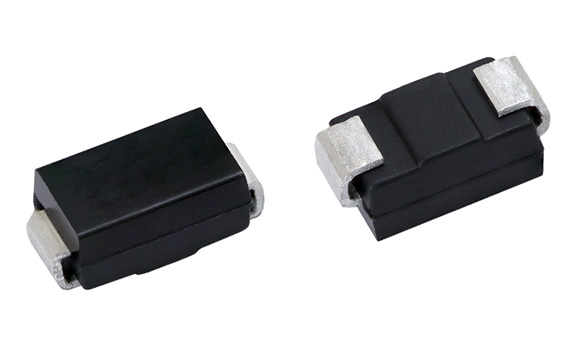
SMA (DO-214AC) package
2.6×5.2×2.1mm -
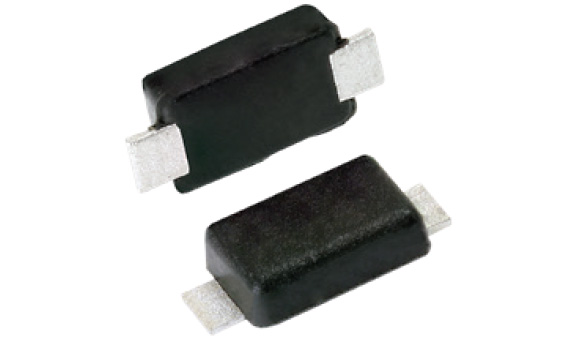
SMF (DO-219AC) package
1.8×3.7×1.0mm -
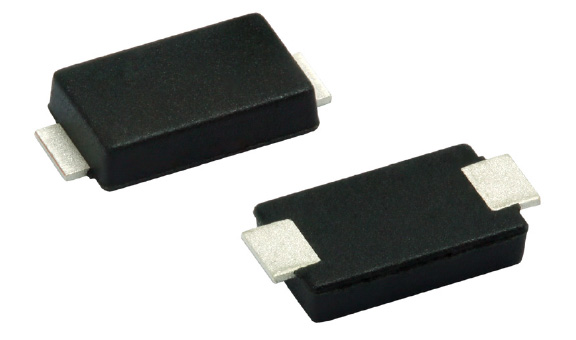
Slim SMA HV (DO-221AC) package
2.6×5.2×0.95mm
Product application examples
It is ideal for a wide range of applications, including automotive and industrial equipment that require high temperatures and high reliability, and communication infrastructure where high frequency efficiency is important.
(Application example)
- SWITCHES Mode POWER SUPPLIES (SMPS)
- Power factor correction circuit (PFC)
- Various INVERTERS
- DC-DC CONVERTERS
- POWER SUPPLIES for communication equipment
- Onboard POWER SUPPLIES (EV/HEV)
- UPS and industrial control equipment
Actual circuit usage examples and advantages
FRED Pt® GEN7 combines low reverse recovery charge (Qrr), low forward voltage (VF), low junction capacitance (Cj) to suppress false detection due to noise, and high temperature and surge resistance.
In particular, when used in desaturation circuits (overcurrent protection) for INVERTERS blocks, etc., it helps to suppress malfunctions and reduce EMI at high frequencies.
In addition, by using it in bootstrap circuits such as PFC blocks, the voltage drop and SWITCHES loss during charging are reduced due to the low VF and low Qrr, which results in shorter charging time to Cboot and reduced heat generation, contributing to improved charging efficiency.
(Advantages when used)
- Low reverse recovery charge (Qrr) and soft recovery
It reduces SWITCHES losses and EMI in bootstrap and high-frequency rectification, and improves charging efficiency with short pulses.Soft recovery is a characteristic in which the reverse recovery waveform is smooth and does not easily produce steep current spikes, which contributes to EMI reduction. - Low forward voltage (VF)
It reduces voltage drop during bootstrap charging, contributing to shorter charging time to Cboot and reduced heat generation. - Low junction capacitance (Cj)
The parasitic capacitance at the high-side floating node is reduced to suppress false trips (false detection due to noise) in desaturation detection. - High temperature and high surge resistance
With an operating temperature range of -55°C to +175°C and surge resistance, they are highly reliable in harsh environments and on high-voltage buses. - Package and Peak Current Capability
By implementing SMA etc., it is possible to design a device that can withstand high repetitive peak currents, reduce Rboot and increase charging speed.
(Rboot: Resistor in the bootstrap circuit. The higher the peak current resistance of DIODES, the smaller Rboot can be, which shortens the charging time of Cboot.)
In addition, in Japan, there has been an increasing number of applications for traction INVERTERS in EVs and HEVs.
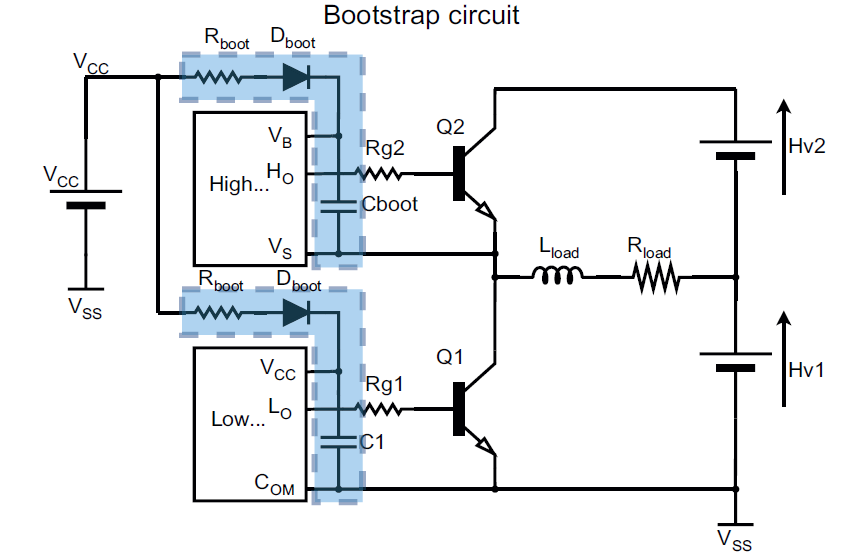
Bootstrap circuit example
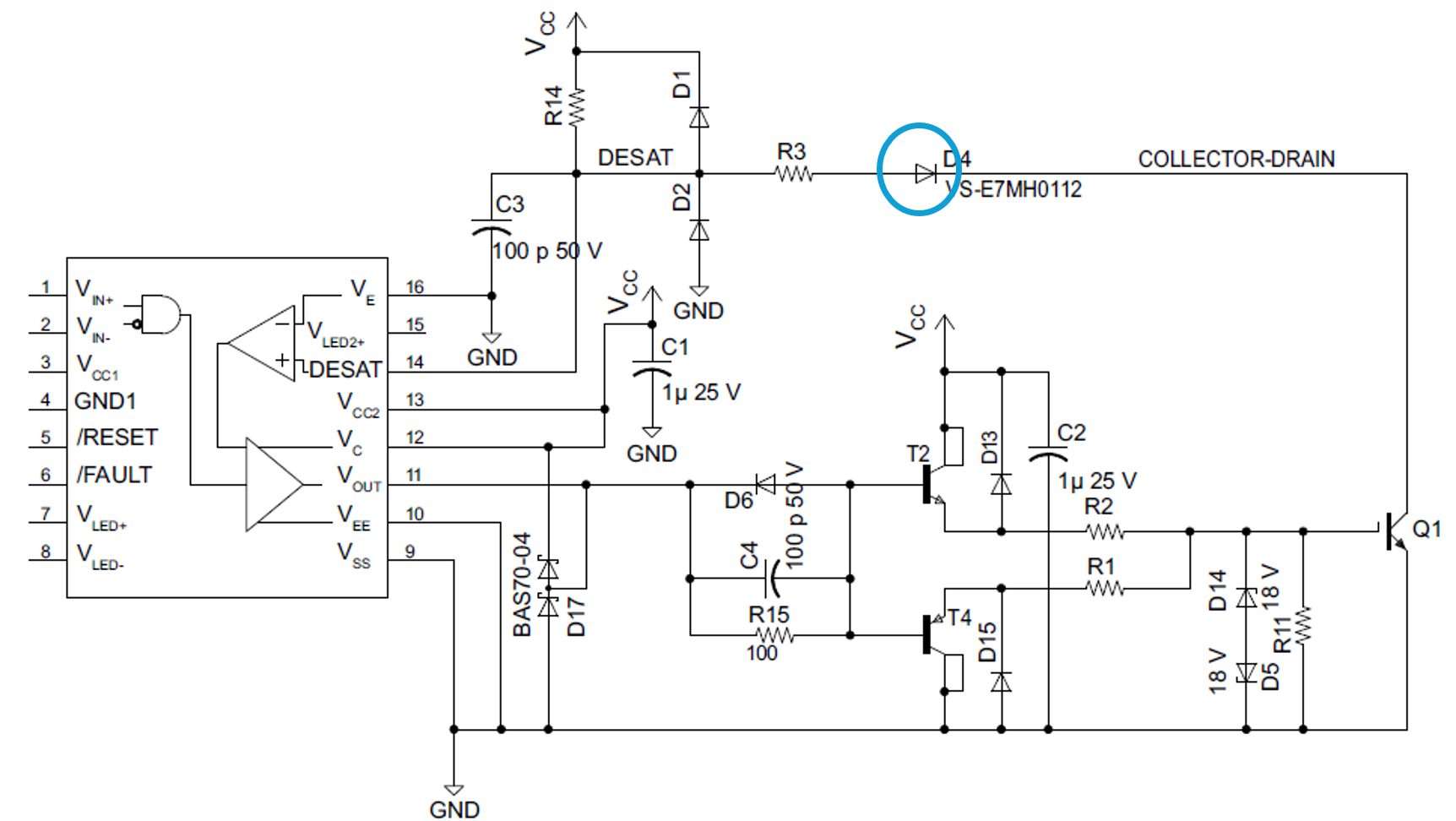
Desaturation circuit example
Summary
Vishay FRED Pt® GEN7 combines low Qrr and low VF, contributing to improved efficiency and reduced EMI in the high-frequency range of PFC, INVERTERS, bootstrap circuits, and other applications. For automotive applications, prioritize AEC-Q101-compliant models, while low Qrr models are recommended for PFC and high-frequency rectification. As a next step, we recommend checking the waveforms on an evaluation board and evaluating the thermal design for each mounting package.
Related product lineup
| Part Number | Reverse Voltage (V) | Package | VF at IF (V) | trr (ns) | TJ Maxx. (℃) | Qrr (nC) | Circuit Configuration | AEC-Q101 Qualified |
|---|---|---|---|---|---|---|---|---|
| VS-E7MH0112-M3 | 1200 | SMA (DO-214AC) | 1.1 | 75 | 175 | 150 | Single | No |
| VS-E7MH0112HM3 | 1.1 | 75 | 150 | Yes | ||||
| VS-E7MX0112-M3 | 1.33 | 45 | 95 | No | ||||
| VS-E7MX0112HM3 | 1.33 | 45 | 95 | Yes | ||||
| VS-E7FX0112-M3 | SMF (DO-219AB) | 1.45 | 50 | 105 | No | |||
| VS-E7FX0112HM3 | 1.45 | 50 | 105 | Yes | ||||
| VS-E7FX0212-M3 | 1.6 | 45 | 165 | No | ||||
| VS-E7FX0212HM3 | 1.6 | 45 | 165 | Yes | ||||
| VS-E7JX0112-M3 | Slim SMA HV (DO-221AC) | 1.45 | 50 | 105 | No | |||
| VS-E7JX0112HM3 | 1.45 | 50 | 105 | Yes | ||||
| VS-E7JX0212-M3 | 1.6 | 45 | 165 | No | ||||
| VS-E7FX0212HM3 | 1.6 | 45 | 165 | Yes |
Inquiry
Related Product Information
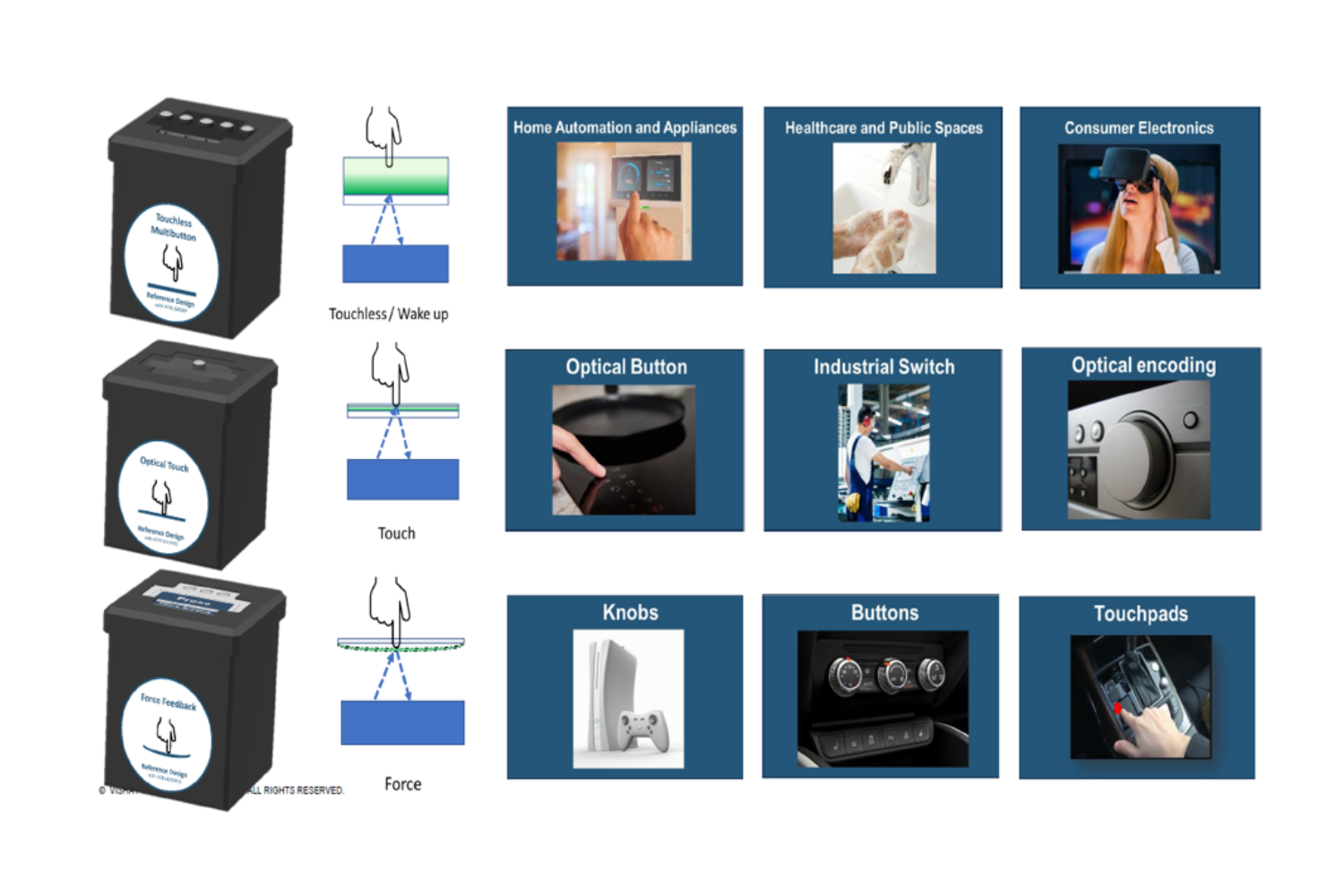
PHOTOSENSORS Reference Design: Next-Generation HMI Evolving with Optical Sensing — A Thorough Explanation of Three Methods: Touchless, Optical Touch, and Force Sensing —
This presentation introduces Vishay's Reference Design for optical sensing HMIs and explains the key design points for non-contact, optical touch, and force detection.
- Vishay Intertechnology, Inc.
- NEXT Mobility
- ICT and Industrial
- Smart Factories and Robotics
- Design, development and mass production support
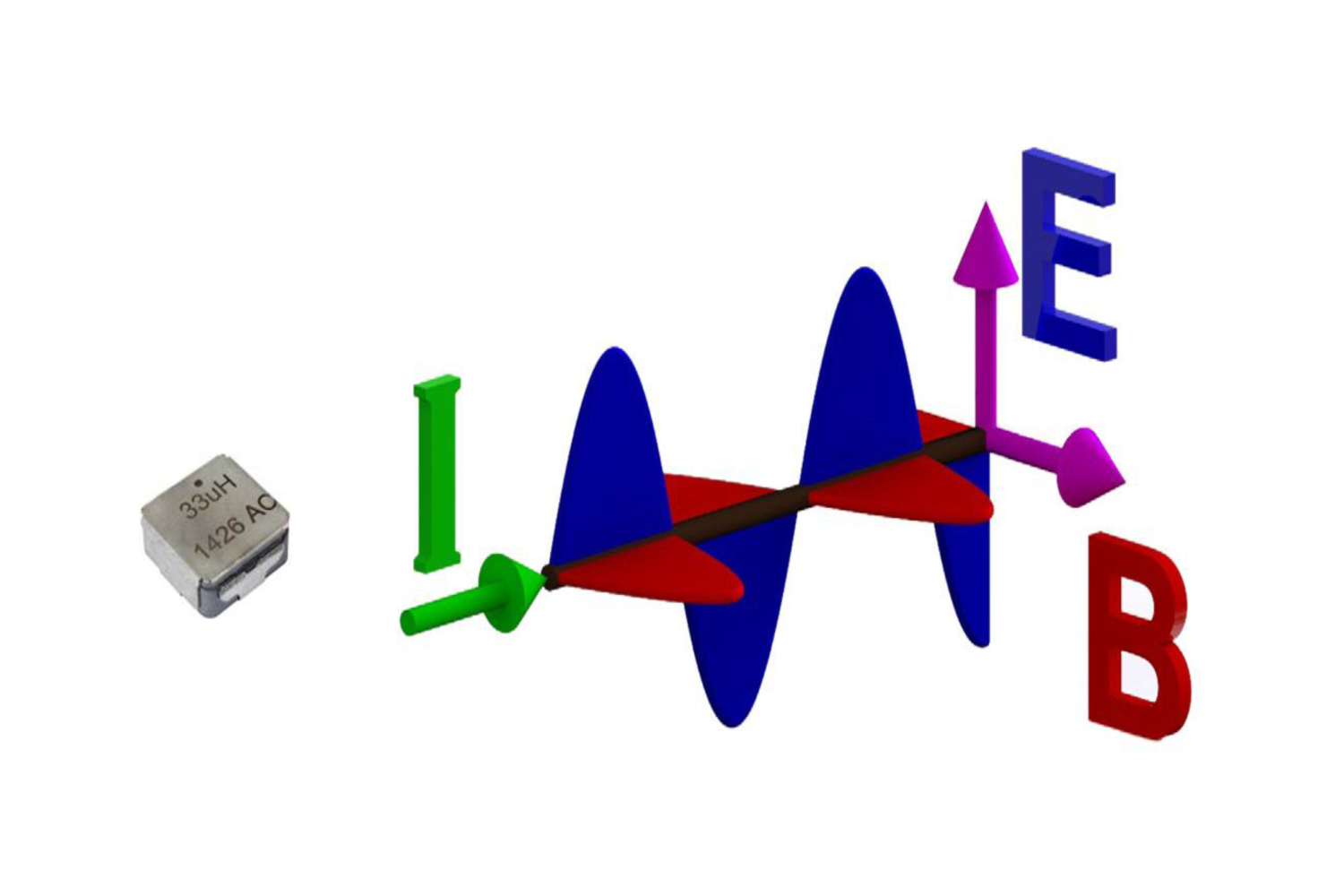
What is the power of Vishay IHLE® electric field shielded power INDUCTORS? A next-generation solution that combines EMI countermeasures with space-saving designs
IHLE is a next-generation INDUCTORS with an integrated electric field shield, a technology that significantly reduces EMI without the need for an external shield, increasing design freedom and efficiency for automotive and industrial applications.
- Vishay Intertechnology, Inc.
- NEXT Mobility
- ICT and Industrial
- Smart Factories and Robotics
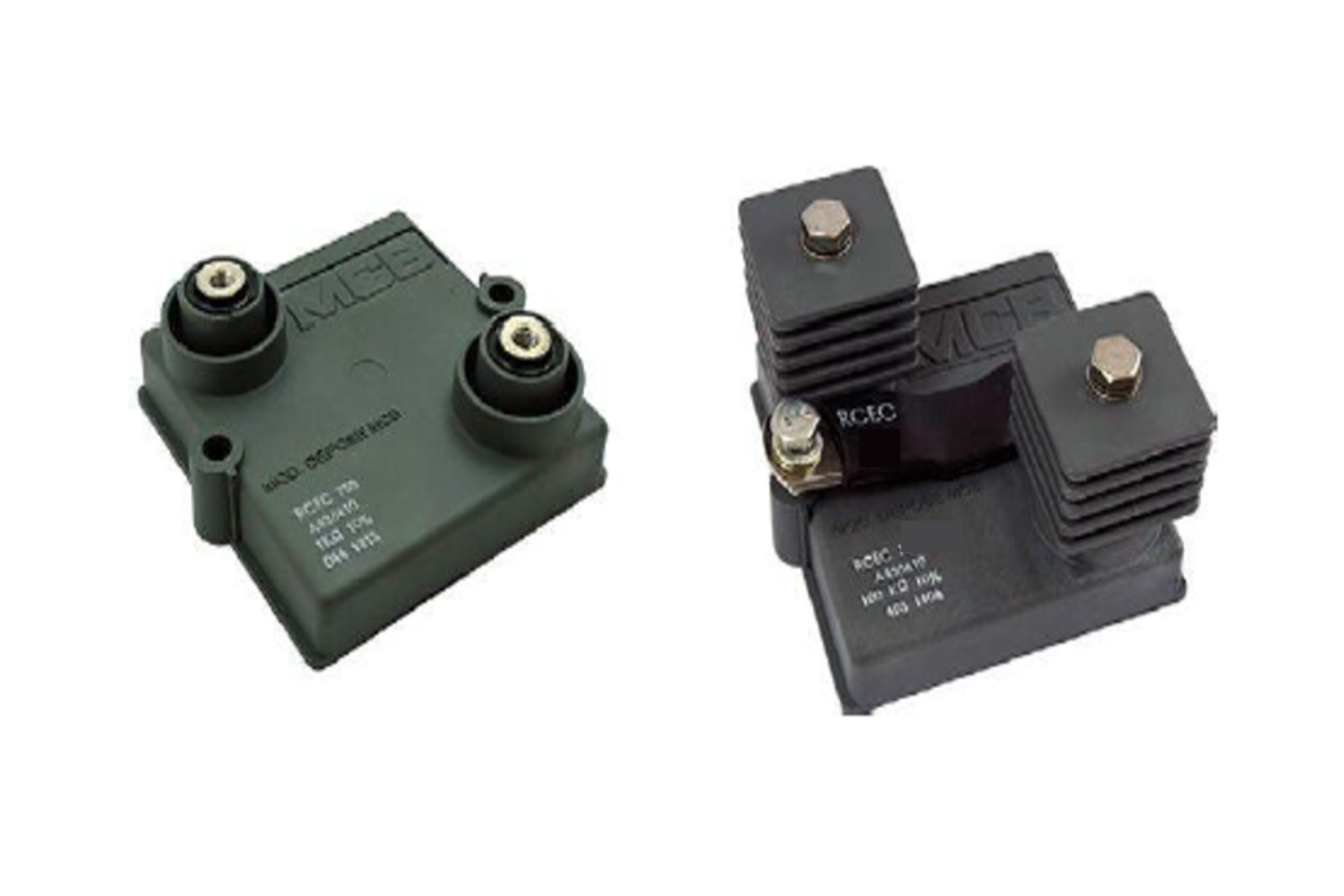
Technical Overview of the RCEC2000 Thick Film Power RESISTORS High voltage resistance, low INDUCTORS, and water-cooling compatibility for greater design flexibility (Scheduled for release after Q3 2026 - Advance information)
We will first explain the features and design advantages of the RCEC2000, which combines high voltage resistance, low INDUCTORS, and high heat dissipation.
- Vishay Intertechnology, Inc.
- NEXT Mobility
- ICT and Industrial
- Smart Factories and Robotics
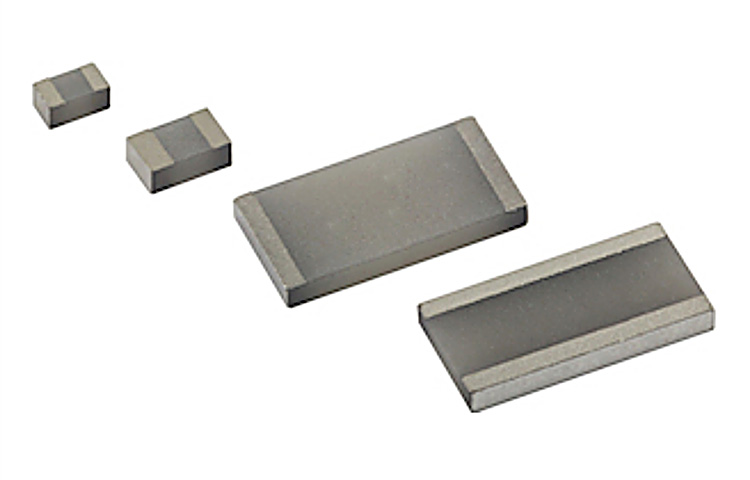
Insulated Thermal Jumper ThermaWick® + Vishay
This thermal jumper combines insulation and high thermal conductivity, allowing only heat to escape without conducting electricity, making it a next-generation heat dissipation component effective for localized heat dissipation in automotive and industrial equipment.
- Vishay Intertechnology, Inc.
- ICT and Industrial
- Smart Factories and Robotics
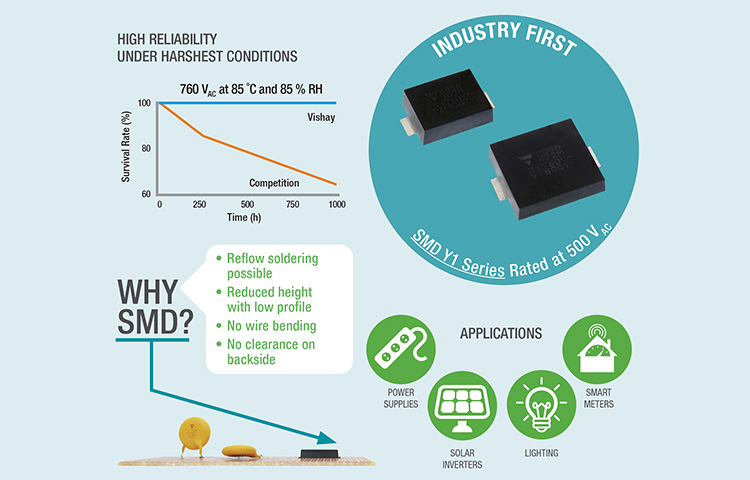
Vishay's "SMDY1 Series," the industry's first SMD Y1 CERAMICS CAPACITORS, delivers highly reliable EMI protection and insulation safety
Vishay's SMD Y1 CERAMICS safety CAPACITORS offer both EMI protection and high insulation, making them suitable for automotive and industrial applications.
- Vishay Intertechnology, Inc.
- NEXT Mobility
- ICT and Industrial
- Smart Factories and Robotics
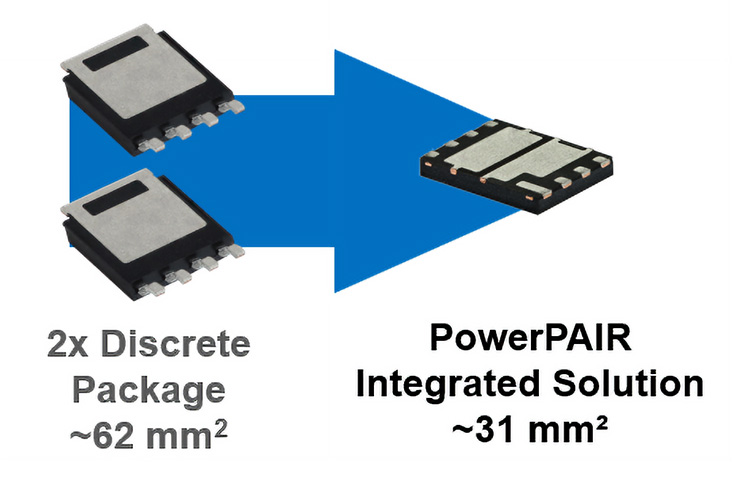
PowerPAIR® Delivers High-Efficiency, High-Power-Density MOS FETS Power Stages—An Integrated Solution Accelerating Next-Generation DC/DC Converter Design
This product is a half-bridge that integrates high-side and low-side MOS TRANSISTORS, and achieves high efficiency, high power density, and high reliability suitable for automotive applications by reducing parasitic INDUCTORS.
- Vishay Intertechnology, Inc.
- NEXT Mobility
- ICT and Industrial
- Smart Factories and Robotics