


- Vishay Intertechnology, Inc.
- NEXT Mobility
- ICT and Industrial
- Smart Factories and Robotics
- Design, development and mass production support
Human-machine interfaces (HMIs) must simultaneously meet diverse requirements, including hygiene, durability, design, and reliable operation with minimal malfunctions. Optical sensing is a technology that has recently attracted attention as a way to address these challenges. Because it uses light to detect distance, contact, and pressure, it can operate stably even in environments where capacitive sensing or MECHANICAL SWITCHES are difficult to use.
Vishay provides three types of Reference Designs (design information: Quick Design Guide, BOM, schematic, PCB Gerber data, 3D Step files, and software source code) free of charge, enabling the rapid design of HMIs utilizing optical sensing.
The Quick Design Guide included in Reference Design is the latest technical document that systematically summarizes the following three methods.
- Touchless
- Optical Touch
- Force Sensing (Optical Force Detection)
This column provides a clear explanation of the mechanisms, design points, and suitable applications of each method described in the Quick Design Guide, from the perspective of a development engineer.
1. Touchless – Distance detection using VCNL36828P
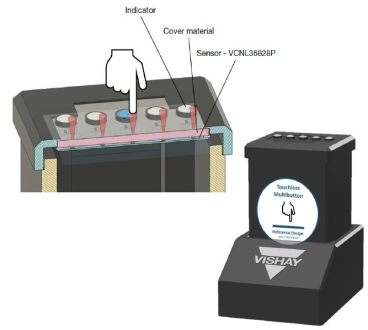
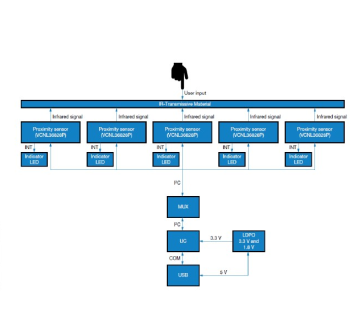
Touchless Switching – System Overview
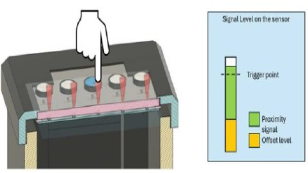
Touchless technology detects an increase in reflected light when a finger approaches a surface. Because it allows operation without touching buttons, it is increasingly being adopted in products where hygiene and design are important.
1-1. Mechanism: Detects the "amount of change" in reflected light.
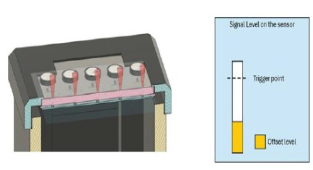
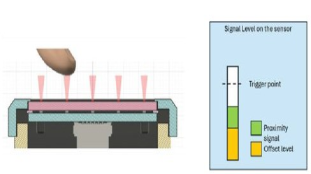
Working Principle
The key feature of Touchless is that it determines touch based on the change from a reference value (delta) rather than the absolute amount of light. This makes it less susceptible to differences in cover materials and ambient light, and ensures a consistent feel even when multiple buttons are arranged together.
1-2. Design Points
-
The distance between the cover material and the sensor affects sensitivity.
In Cube, the distance between the sensor and the cover is set to 0.1 mm to minimize crosstalk. -
The distance between sensors is key to preventing false detections.
The Cube uses a 7.5 mm spacing to optimize the balance between finger size and optical spread. -
Set stable thresholds using the delta counting method.
By using an offset value of +1000 counts as a threshold, it is possible to create a design that is robust against individual differences and changes over time. -
Resistant to external disturbances (sunlight, water droplets, dust)
Calibration and environmental compensation functions suppress malfunctions in real-world usage environments.
1-3. Suitable applications (selection advice)
-
Hidden SWITCHES for home appliances: Achieving contactless operation without compromising design.
-
Contactless UI for public facilities: Ideal for environments where hygiene is required.
-
Smart home gesture control: Intuitive operation is possible.
-
Multiple button slide operation: Allows for the creation of UIs that leverage the characteristics of touchless technology.
2. Optical Touch — Contact detection using VCNT2025X01
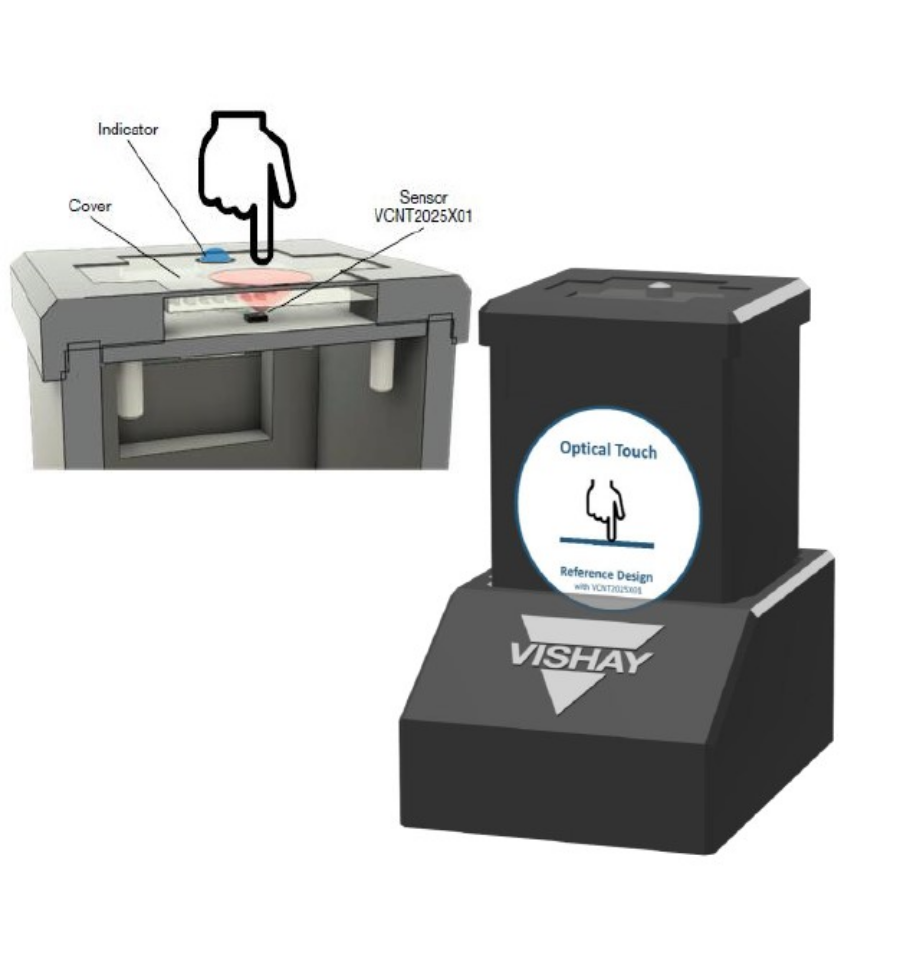
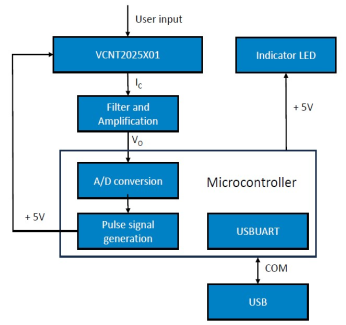
Optical Touch Switch – System Overview
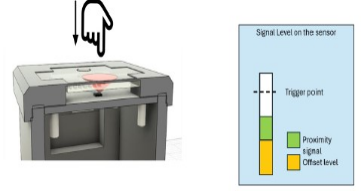
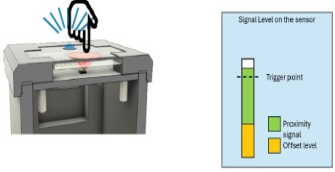
Optical Touch is a method that detects the sudden surge in reflected light that occurs the moment a finger touches glass. Unlike capacitive touch systems, it does not rely on the electrical properties of the human body, so it reliably responds even through gloves and is highly resistant to ambient light noise.
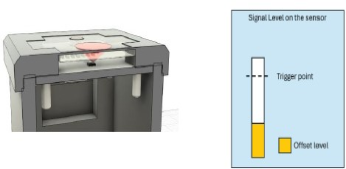
2-1. Mechanism: Detects a "sudden increase in reflection" upon contact.
Working Principle
When a finger touches the glass, the reflected light increases dramatically. This large change reduces false detections, enabling reliable on/off detection.
2-2. Design Points
-
Cover thickness, window diameter, and distance directly affect sensitivity.
The recommended distance is 3-6 mm. Cube uses a 2 mm cover positioned 3.5 mm apart to ensure a good viewing angle. -
Pulse drive + high-pass FILTERS removes ambient light noise.
The emitter is driven with a 50 µs pulse to FILTERS out steady light such as sunlight. -
Offset removal and threshold setting are easy.
Measure the offset voltage caused by the cover and set 1.8 times that value as the threshold. -
Resistant to water droplets, dirt, and sunlight.
With its wide field of view and offset correction, this system offers high stability in real-world environments.
2-3. Suitable applications (selection advice)
-
Waterproof and stain-resistant touch buttons for medical devices: Reliable response even through gloves.
-
High-durability SWITCHES for industrial equipment: resistant to external disturbances and less prone to malfunctions.
-
Operation while wearing gloves: Overcoming the weaknesses of capacitive touch technology
-
Optical ENCODERS knob: Ideal for high-precision position detection.
3. Force Sensing (Optical Force Detection) — Detection of indentation amount using VCNL4030X01
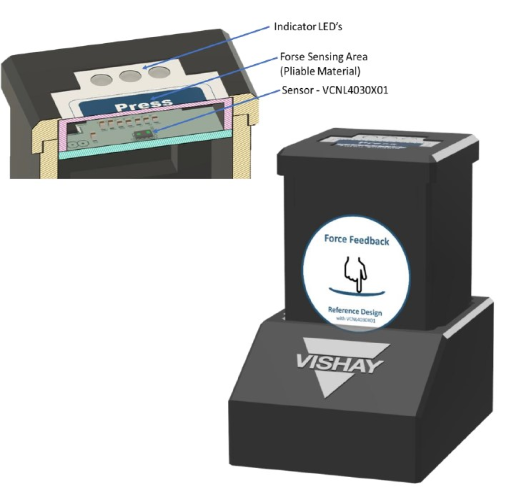
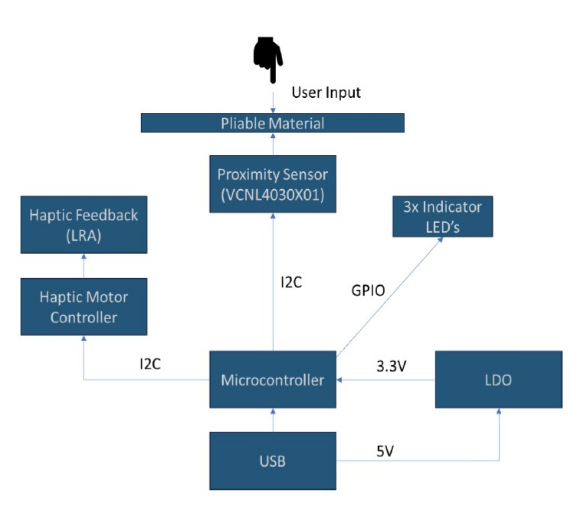
Force Feedback – System Overview
Force Sensing detects changes in the optical path that vary depending on the amount of pressure applied and reads them as an analog quantity. This allows for operation that corresponds to the amount of pressure applied while retaining the click feel of MECHANICAL SWITCHES.
3-1. Mechanism: The amount of indentation is detected as a "change in light".
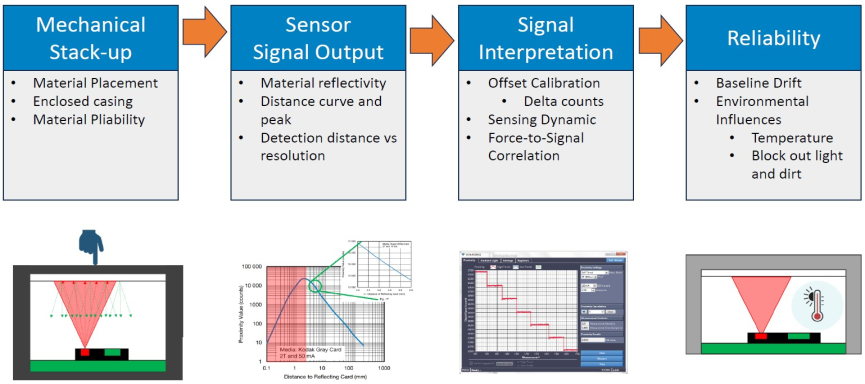
Working Principle
Pressing down changes the internal light path, causing the amount of light received to change continuously. This allows for high-resolution detection of forces ranging from light to strong presses.
3-2. Design Points
-
Wear-free and highly durable: Long lifespan due to the absence of contact points.
-
Continuous detection of the amount of pressure applied: Improved UI expressiveness (light press = select, strong press = confirm)
-
Reproduces the clicky feel: Combined with a mechanical structure, it achieves a natural pressing sensation.
3-3. Suitable Uses (Selection Advice)
-
Automotive push-button UI: Areas where high durability and reliability are required.
-
Pressure input for industrial equipment: Ideal for analog quantity input.
-
Precise operation of medical devices: Capable of detecting subtle force changes.
-
Control panels with a tactile feel, similar to those found on home appliances: Improving the user experience
-
Analog input on gaming devices: Control that utilizes the strength of force.
4. What Reference Design offers for PHOTOSENSORS HMI
BOM
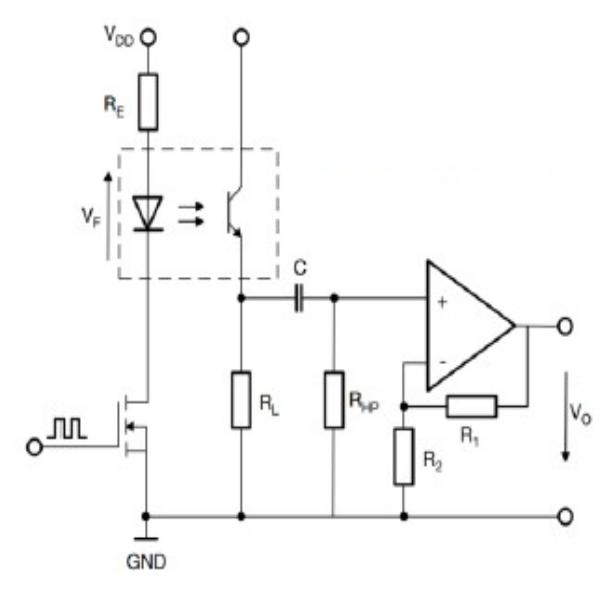
Schematic
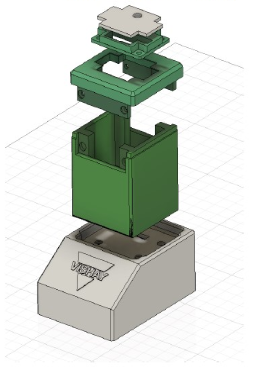
Step files and assembly
Pseudo-Code
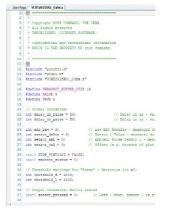
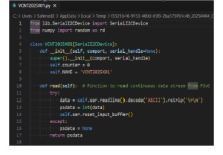
Algorithm description
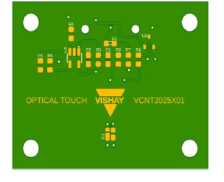
PCB Files
Documentation Overview
PHOTOSENSORS Reference Design is a comprehensive collection of documentation for implementing optical sensing in a short timeframe.
-
User Manual
-
Quick Design Guide
-
Application Note (Operating Principles and Design Challenges) → Scheduled for release in April 2026
-
Circuit diagrams, BOMs, PCB data, and 3D STEP files.
-
SW source code and algorithm explanation
-
Software/Hardware Integration Guide
By utilizing these tools, development can proceed smoothly from initial verification to mass production design.
5. Summary: PHOTOSENSORS reference designs will further advance HMI design.
The three methods are: Touchless, Optical Touch, and Force Sensing.
-
Mechanism design
-
Signal processing
-
calibration
-
Countermeasures against external disturbances
While sharing a common design philosophy, they can be clearly differentiated and used according to their intended purpose.
-
If you prioritize contactless and hygienic options, choose Touchless.
-
For reliable on/off detection, use Optical Touch.
-
For operations that utilize the amount of pressure applied, use Force Sensing.
A major advantage of this newly released Reference Design is that it allows for the rapid implementation of HMIs using highly reliable and aesthetically pleasing PHOTOSENSORS.
We can assist you with selecting the appropriate system and comparing components based on your application, and we can also provide proposals that take future technological trends into account. Please feel free to contact us for a consultation.
Inquiry
Related Product Information

High-reliability passive components required for defense and aerospace equipment: Selection points for MIL-STD, ESCC, and NASA Qualified compliant components, and Vishay solutions.
This article explains the key selection points for high-reliability passive components for defense and aerospace equipment. It introduces Vishay's product lineup, which complies with MIL standards, ESCC, and NASA Qualified standards, and provides examples of their applications.
- Vishay Intertechnology, Inc.
- Advanced Technology Solutions
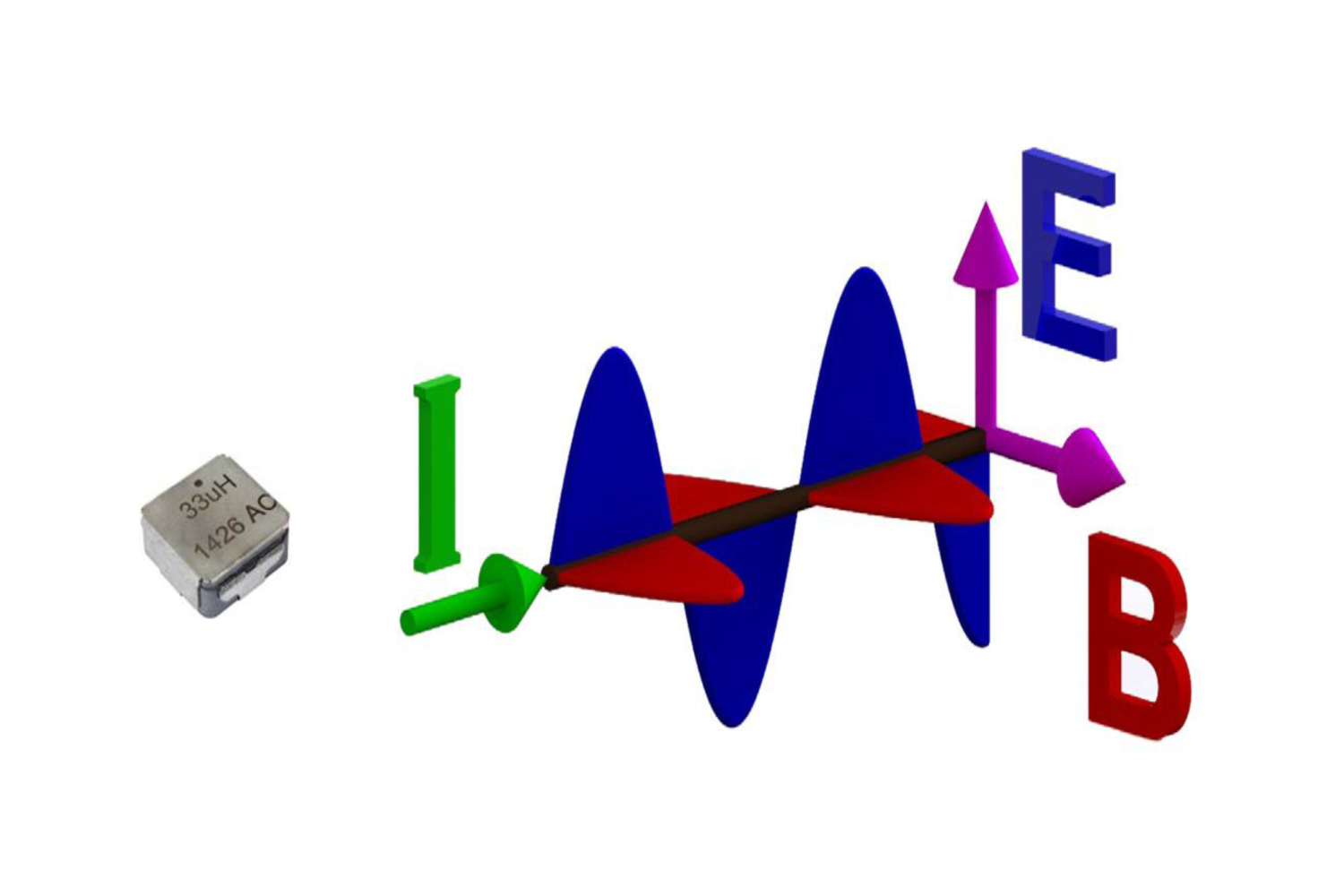
What is the power of Vishay IHLE® electric field shielded power INDUCTORS? A next-generation solution that combines EMI countermeasures with space-saving designs
IHLE is a next-generation INDUCTORS with an integrated electric field shield, a technology that significantly reduces EMI without the need for an external shield, increasing design freedom and efficiency for automotive and industrial applications.
- Vishay Intertechnology, Inc.
- NEXT Mobility
- ICT and Industrial
- Smart Factories and Robotics
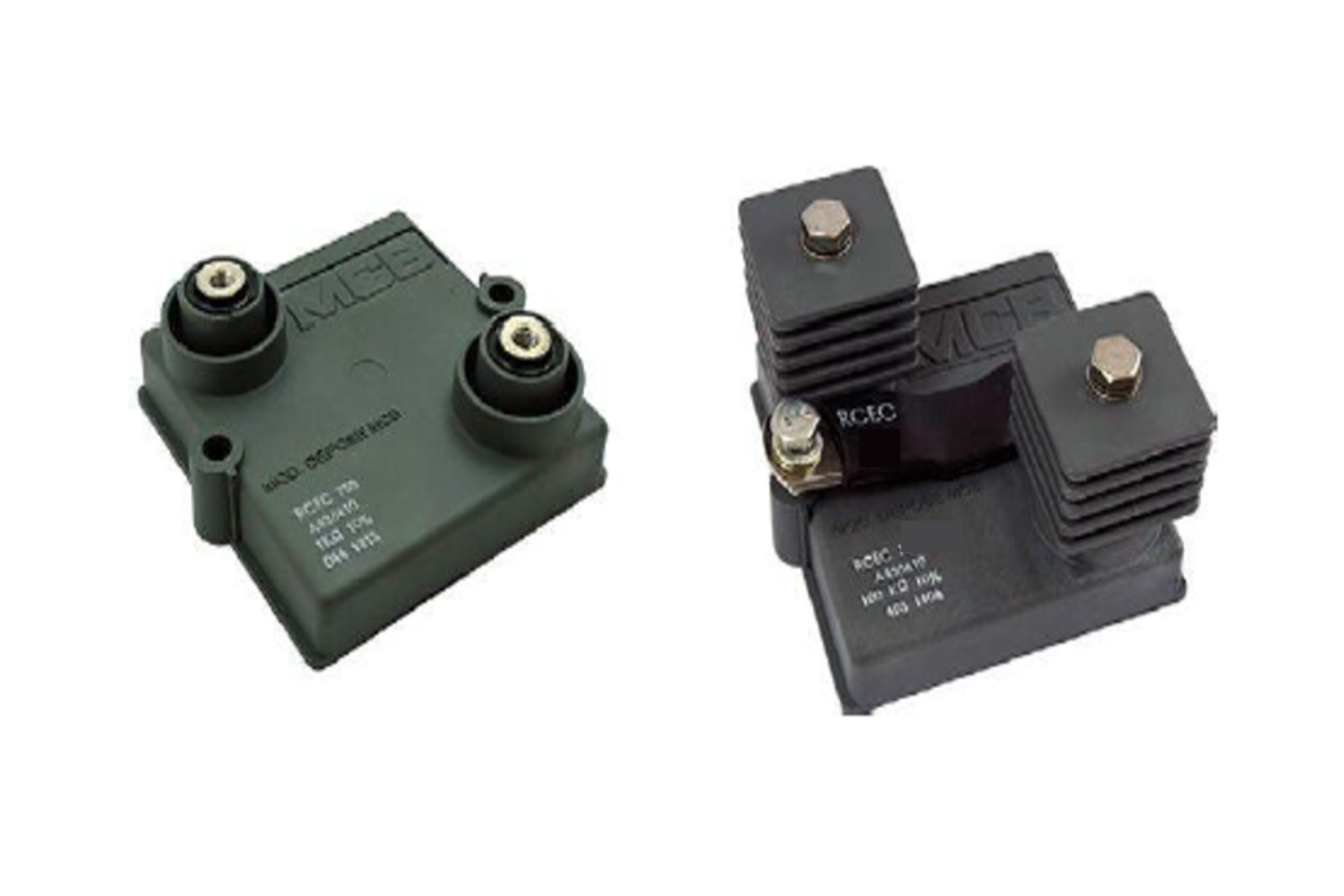
Technical Overview of the RCEC2000 Thick Film Power RESISTORS High voltage resistance, low INDUCTORS, and water-cooling compatibility for greater design flexibility (Scheduled for release after Q3 2026 - Advance information)
We will first explain the features and design advantages of the RCEC2000, which combines high voltage resistance, low INDUCTORS, and high heat dissipation.
- Vishay Intertechnology, Inc.
- NEXT Mobility
- ICT and Industrial
- Smart Factories and Robotics
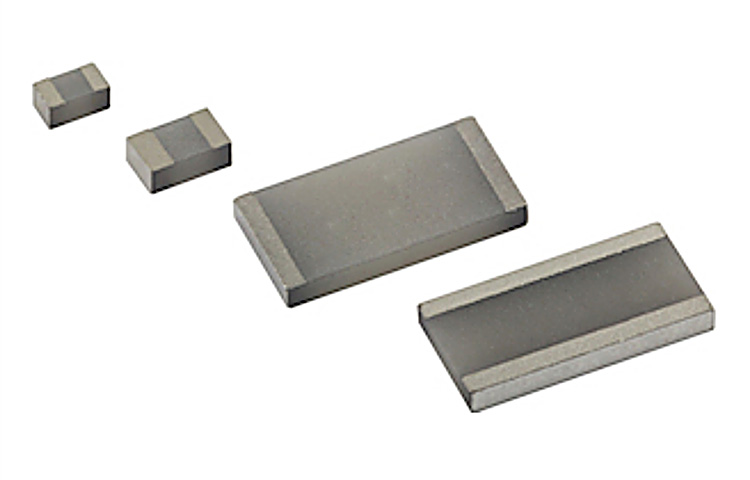
Insulated Thermal Jumper ThermaWick® + Vishay
This thermal jumper combines insulation and high thermal conductivity, allowing only heat to escape without conducting electricity, making it a next-generation heat dissipation component effective for localized heat dissipation in automotive and industrial equipment.
- Vishay Intertechnology, Inc.
- ICT and Industrial
- Smart Factories and Robotics
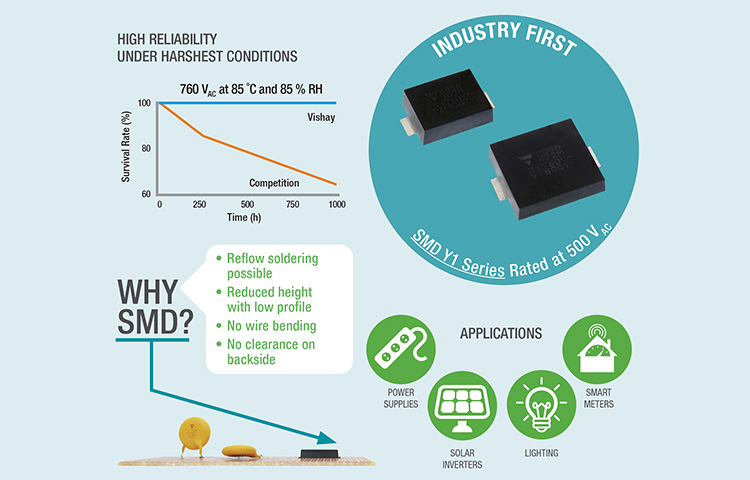
Vishay's "SMDY1 Series," the industry's first SMD Y1 CERAMICS CAPACITORS, delivers highly reliable EMI protection and insulation safety
Vishay's SMD Y1 CERAMICS safety CAPACITORS offer both EMI protection and high insulation, making them suitable for automotive and industrial applications.
- Vishay Intertechnology, Inc.
- NEXT Mobility
- ICT and Industrial
- Smart Factories and Robotics
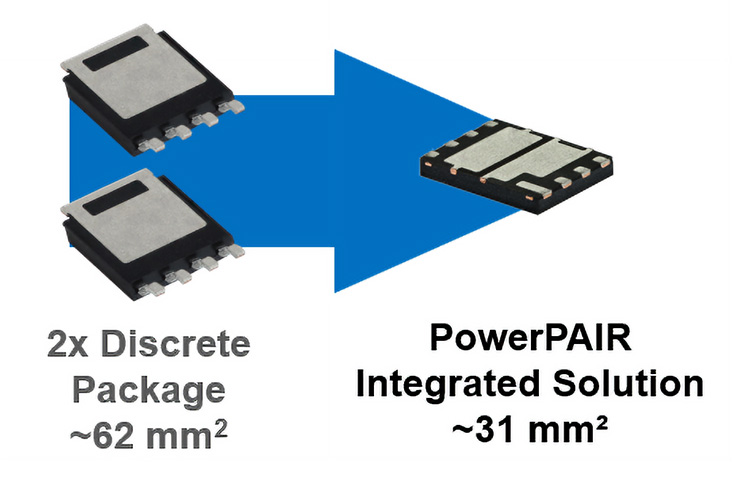
PowerPAIR® Delivers High-Efficiency, High-Power-Density MOS FETS Power Stages—An Integrated Solution Accelerating Next-Generation DC/DC Converter Design
This product is a half-bridge that integrates high-side and low-side MOS TRANSISTORS, and achieves high efficiency, high power density, and high reliability suitable for automotive applications by reducing parasitic INDUCTORS.
- Vishay Intertechnology, Inc.
- NEXT Mobility
- ICT and Industrial
- Smart Factories and Robotics