What Is Cross-Section Analysis?
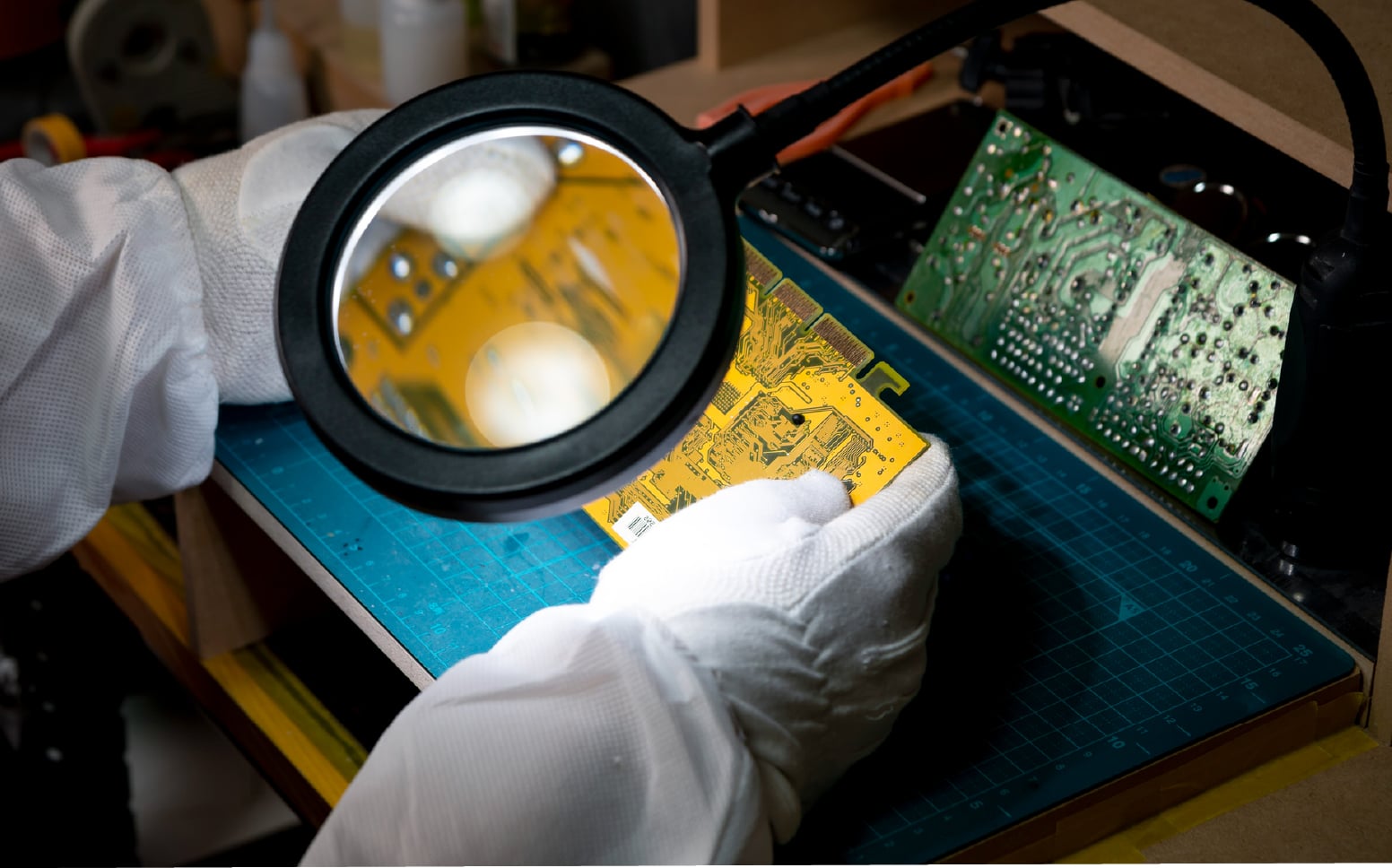
Cross-section analysis is a technique used to examine the internal structure and properties
of materials or components by observing and analyzing their cross-sections.
By performing
cross-sectional observation, it is possible to gain detailed insights into internal
structures, defects, microstructures, and crystal structures. This method is essential for
evaluating material characteristics and quality, making it an indispensable technology in
design, development, and quality control.
Applications of Cross-Section Analysis
The purposes of cross-sectional observation vary widely, but common cases include:
- Observation of internal structure
Reveal the internal structure of materials or components and confirm the microstructure and layer configuration. - Detection of Defects
Identify internal defects such as cracks, voids, and foreign material contamination to evaluate product quality and reliability. - Evaluation of joints
Assess the quality of welds or adhesive joints and verify the strength and uniformity of the joints.
NEXTY Electronics Cross-Section Analysis
NEXTY Electronics offers two types of cross-section analysis: mechanical cross-section polishing and ion milling.
1. Mechanical Cross-Section Polishing
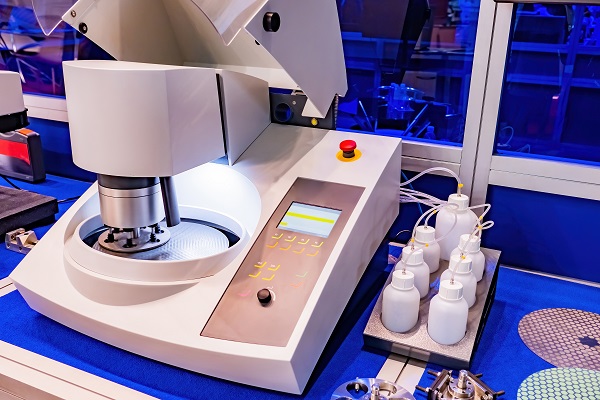
Mechanical cross-section polishing uses a mechanical method to polish materials.
It
is suitable for processing large areas or thick samples; however, due to stress during
polishing, fine scratches or rounding may occur on the polished surface.
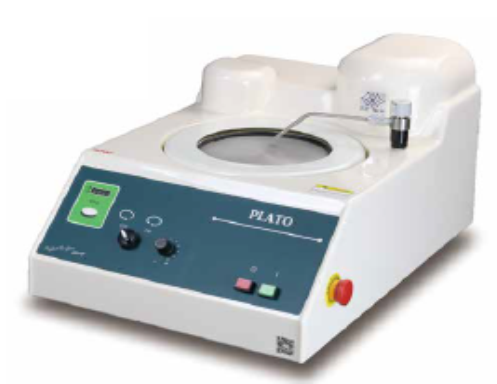
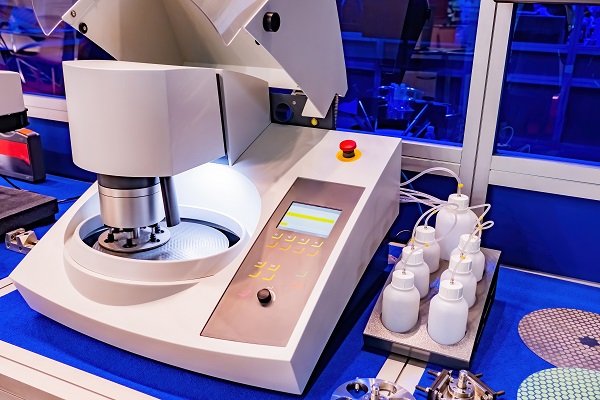
Mechanical Cross-Section Polishing Equipment
TOP TECH PLATO
Processing Range: Max. Φ30 mm
-

Solder ball cracks in BGA
-

Cracks at the neck of aluminum wires
-

Quality inspection of PCB through-holes
-
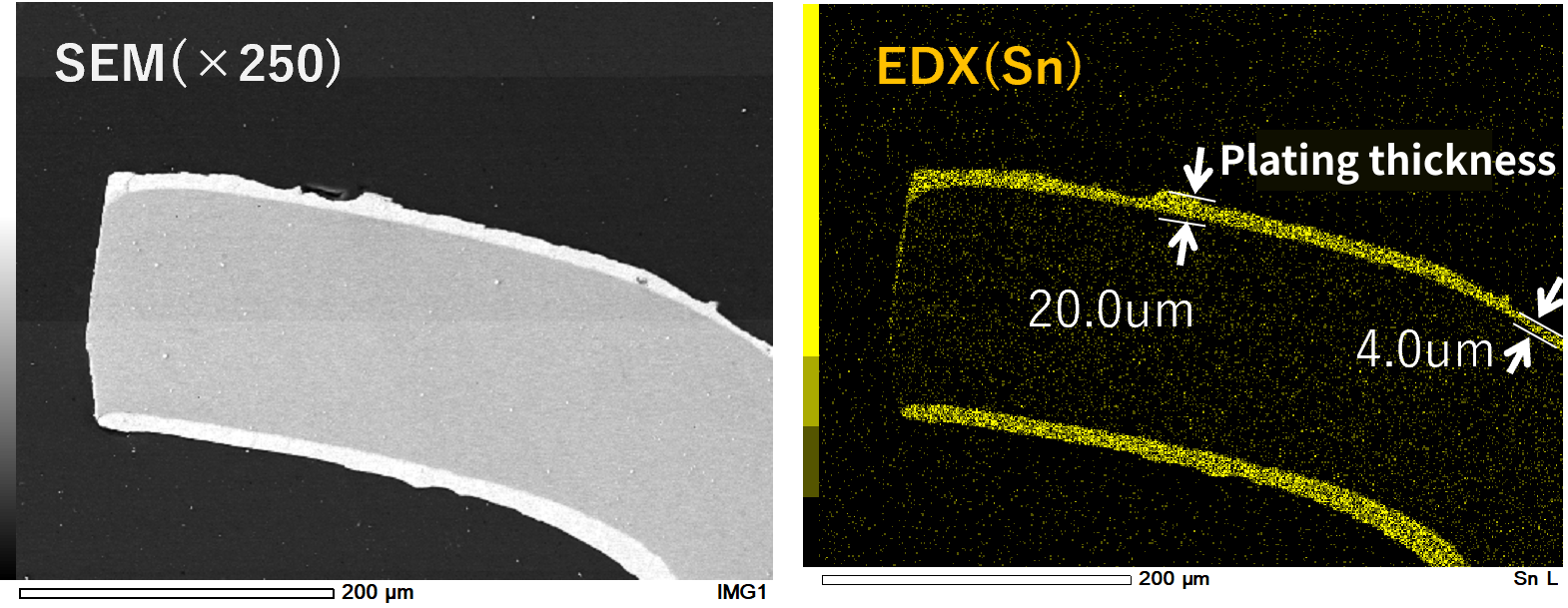
Lead Cross-Section and Plating Thickness Measurement / EDX Mapping of Plating Material
Sn (tin) detected in the plated area (yellow region) by EDX elemental identification.
2. Ion Milling
Ion milling uses an ion beam to process surfaces with high precision.
It is suitable
for observing fine structures; however, its processing range is narrower than that of
mechanical cross-section polishing.
Therefore, selecting the appropriate method based on the application and sample
characteristics is essential.
Ion milling includes two types: flat milling and
cross-section milling.

Ion Milling Equipment
Hitachi High-Tech
ArBlade5000
Processing Range: Flat milling: Φ30 mm
Cross-section milling: 1–5
mm
Flat Milling
Flat milling is mainly used to remove scratches or rounding left after mirror
finishing by mechanical cross-section polishing.
Its advantage is the wide
processing range (approximately Φ30 mm).
However, the processing depth is shallow (a few μm to about 10 μm), so if deep
scratches or rounding remain after mirror finishing, flat milling alone may not
completely remove them.
Cross-Section Milling
Cross-section milling removes material using an ion beam starting approximately
100–200 μm before the target area, so the intended surface does not receive direct
stress.
This allows for a smooth finish even on materials that are prone to
deformation or fracture under stress.
However, the processing range is relatively narrow (about 1–5 mm), making
cross-section milling more limited compared to flat milling.
Ion Milling Example
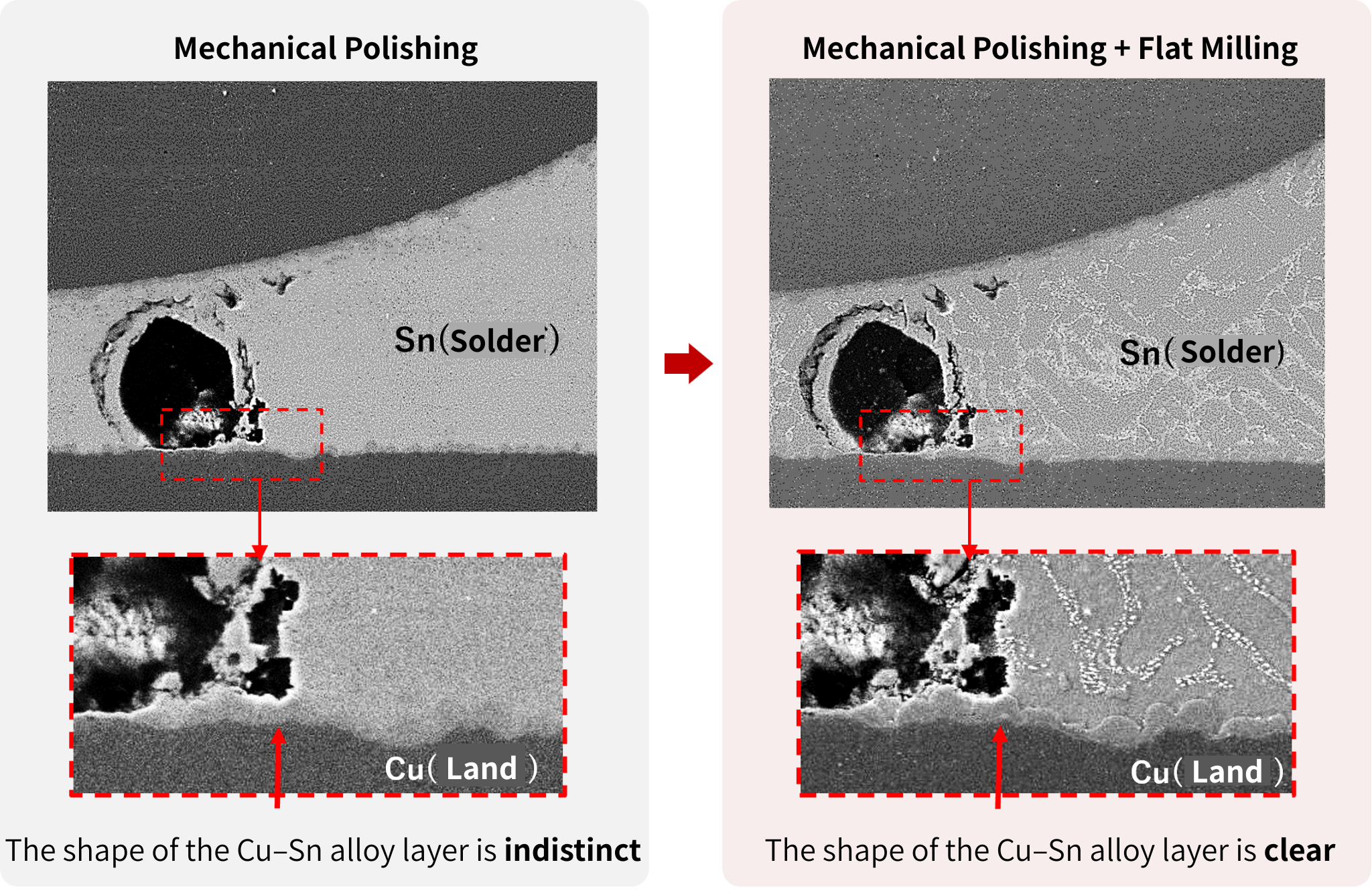
PCB Board – Flat Milling of Pb-Free Solder Alloy Layer
Mechanical cross-section polishing alone does not clearly reveal the shape of the Cu-Sn alloy region. By applying flat milling, the shape becomes distinct, allowing accurate measurement of the alloy layer thickness.
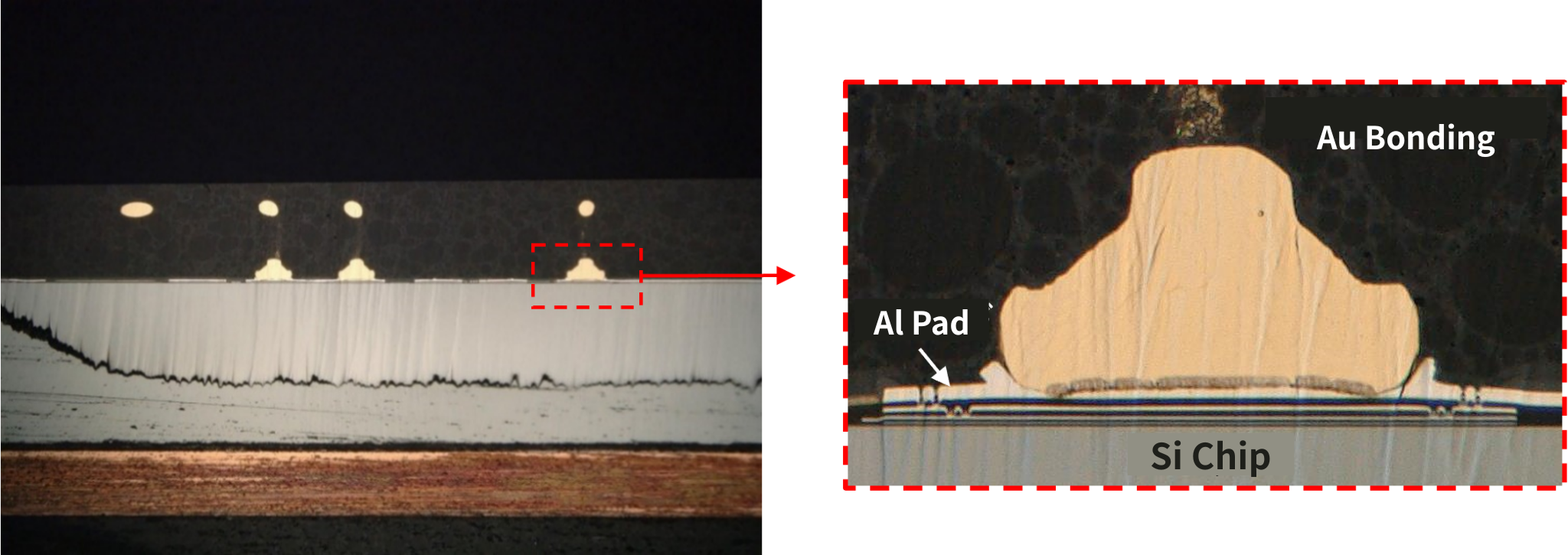
Cross-Section Milling – Au Bonding / Al Pad Joint Cross-Section
When observing the bonding joint in cross-section, mechanical polishing often causes
the Al pad to break due to stress, making it difficult to obtain a clean
cross-section.
With cross-section milling, the sample is removed using only an ion beam without
applying mechanical stress, allowing the joint to be observed without damaging the
Al pad.
Choosing Between Mechanical Cross-Section Polishing and Ion Milling
For large-area observations such as solder cracks, PCB layer quality, or lead plating
thickness, mechanical cross-section polishing is recommended.
For fine structures such
as bonding joints or intermetallic alloy connections, ion milling is the preferred method.
NEXTY Electronics proposes and provides the most suitable cross-section analysis method
according to your purpose and application.
Request Process
Inquiries and quotations are free of charge.
Our services are available for devices other
than those handled by NEXTY Electronics.
Please feel free to contact us if you are
interested.
1. Inquiry
Submit your request via the inquiry form, including details such as sample information,
quantity, budget, and desired delivery date.
If you have related documents, please send them together. (Sample information and budget
can be provided within the range you are comfortable sharing.)
2. Response and Quotation
A NEXTY Electronics representative will review your inquiry and confirm details during a
hearing session.
We will check the analysis content, feasibility, and any additional
requirements, then provide an estimate and delivery schedule.
After reviewing the
analysis details, quotation, and delivery date, if you decide to proceed, we will send a
formal quotation.
3.Order Placement and Shipment of Analysis Samples
Please send us your official order form. Upon receipt, we will begin the analysis
process.
The shipping address for samples will be provided by NEXTY Electronics.
4. Analysis Execution
We will perform the requested analysis.
If you require interim results, we can
provide a mid-term report upon request.
Examples:
Report before moving from non-destructive to destructive analysis
Early results for large-volume analysis
5.Report Delivery
The analysis results will be compiled into a report and sent to you.
If you have any
questions or require clarification, please feel free to contact us.
6. Payment and Sample Return
After acceptance, NEXTY Electronics will return the samples along with the invoice,
receipt, and delivery note.
Please proceed with payment accordingly.
Contact Us
We accept consultations, questions, and quotation requests via the button below.
Our services
are available for devices other than those handled by NEXTY Electronics.
For quotation requests, including the following information will help us respond smoothly:
Even if the information is not listed, please feel free to contact us. Once confirmed, a
representative will get back to you.
Required Information for Quotation Request:
Request details:
Sample information:
Quantity:
Budget:
Desired delivery date:
Our Service Locations
Aichi OfficeTAQS(Toyotsu Automotive Quality Support Center)
| Location | Toyotsu Logistics Services Bldg 4Fl. 1-3 Oonawa, Ozaki-cho, Anjyo, Aichi, 446-0004, Japan |
|---|---|
| Supported Services | Failure analysis, Good Product Analysis, Reliability Testing: Accelerated Testing, Cross-section analysis |

NEXTY Electronics’ VA Center Division operates two locations to provide quality and
analysis services to our customers: the VAC (Value Adding Center) in Tokyo and the TAQS
(Toyotsu Automotive Quality Support Center) in Aichi Prefecture.
We will respond from the location that can deliver the services you require. If you
have any requests, please contact us using the inquiry button below.
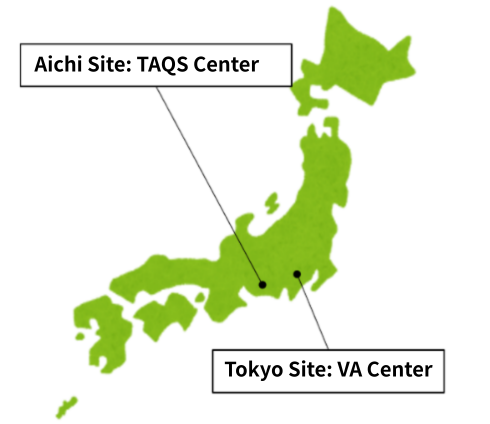
Key Points of Our Quality and Analysis Service Locations
At NEXTY Electronics’ VA Center Division, we provide reliable quality and analysis services you can rely on, supported by a comprehensive framework as outlined below.
- Building Facilities
Robust Earthquake-resistant Structure
- Security
Surveillance Camera Monitoring, Access Control System
- Work Environment
Temperature and Humidity Control Anti-static Measures
View More Quality & Analysis Services
-
Failure Analysis
Initial Diagnostics, One-Stop Support

-
Good Product Analysis
Early Identification of Potential Product Risks

-
Reliability Testing: Accelerated Testing

-
Reliability Testing: Evaluation Testing

-
Cross-section analysis
Non-Visible Internal Analysis
-
Reverse Engineering

-
Optical Characterization of LEDs

-
ROM Writing Service

-
Screening Inspection (Visual and X-ray)

-
Automotive Ethernet Testing Services

-
Analysis of the 10 Substances Regulated under the RoHS Directive

-
-
Quality and Analysis Support by NEXTY Electronics