


- Infineon Technologies AG
- ICT and Industrial
- Smart Factories and Robotics
Product overview
Infineon's CO₂ sensors use proprietary MEMS technology and advanced algorithms to measure the concentration of carbon dioxide in the air with high precision and in real time. Their low-power design makes them ideal for battery-powered equipment and IoT devices. Suitable for a wide range of applications, including industrial and consumer equipment, they contribute to maintaining a comfortable spatial environment and contributing to energy conservation and safety measures.
Infineon's CO₂ sensors have a compact package and high durability, enabling stable operation over a long period of time regardless of installation location. Infineon's CO₂ sensors have a proven track record in numerous installations around the world and are chosen by many companies for their reliability and performance.
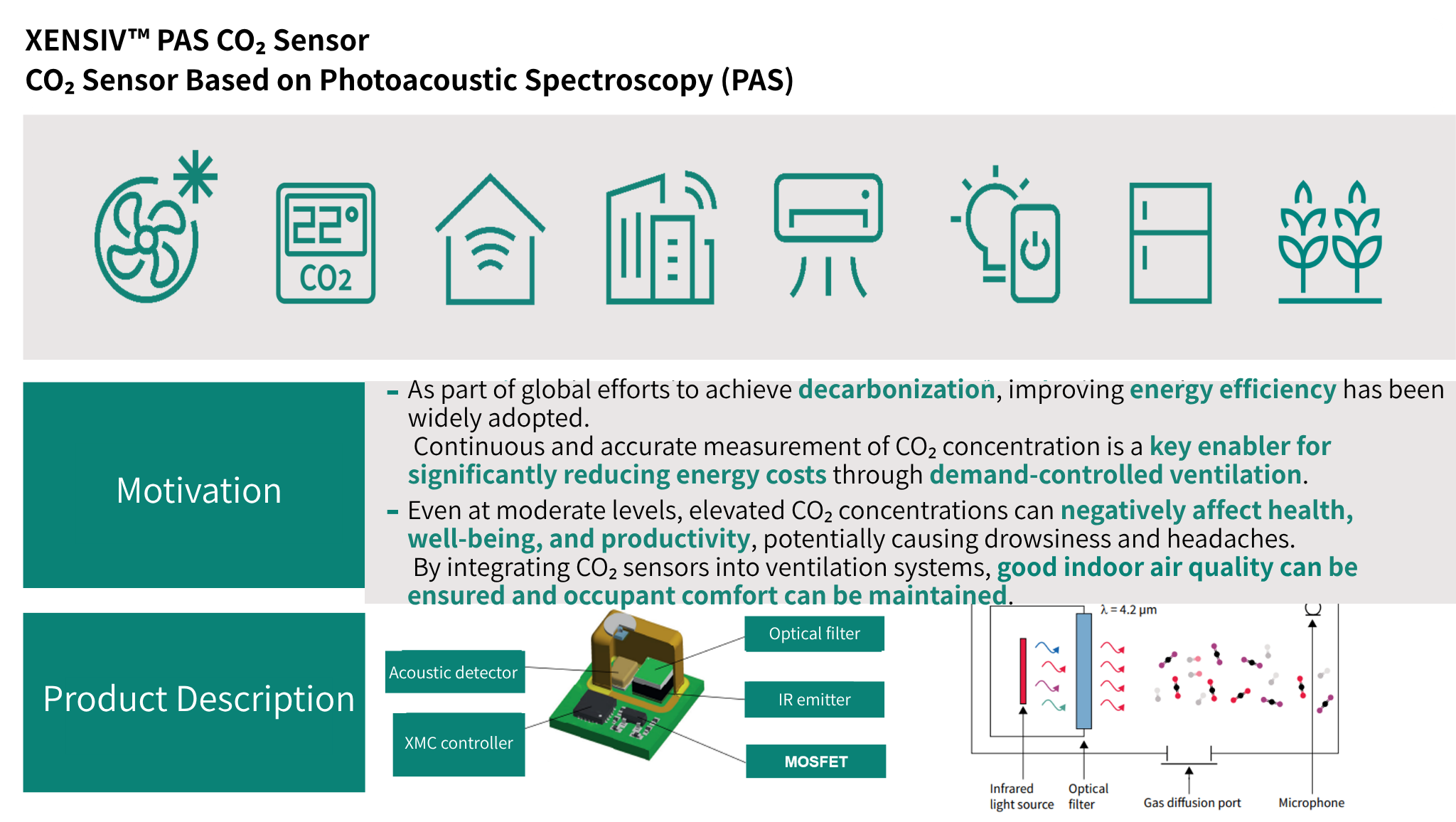
List of main features and specifications
High precision CO₂ concentration measurement (within ±30ppm)
Low power consumption design (ideal for IoT and battery devices)
High-speed response (supports real-time monitoring)
Small and lightweight package
Wide operating temperature range (-10°C to 60°C)
Various communication interfaces (I²C/UART compatible)
Long life and high durability
For detailed technical information, please visit the Infineon website.

Benefits of implementation
| problems | solution |
|---|---|
| Installation space constraints | Compact design allows for flexible installation |
| Short battery life | Low power consumption for long-term operation |
| Accuracy variation | Stable and high-precision measurement using MEMS technology |
| Maintenance and replacement frequency | Long-life design reduces maintenance costs |
Use cases and implementation examples
Use Case 1: Smart Building/Office Air Quality Management
[Use case overview]
In smart buildings and offices, Infineon CO₂ sensors are embedded in air conditioning systems and ventilation controls to monitor indoor CO₂ concentrations in real time. If the CO₂ concentration exceeds the standard value, ventilation and air conditioning are automatically optimized to maintain a comfortable working environment. IoT integration allows for centralized management of data from multiple floors and rooms, achieving both energy efficiency and improved health and productivity.
[Major features]
High precision CO₂ concentration measurement (within ±30ppm)
Automatic linkage with air conditioning and ventilation systems
Remote monitoring and data analysis through IoT cloud integration
Compact and energy-saving design makes it easy to incorporate into existing facilities
[Introduction Effects]
Energy savings and cost reduction through optimized ventilation and air conditioning
Compliance with health and safety standards and increased employee productivity
Reducing the risk of viral infection (correlation management of CO₂ concentration and aerosols)
Reduced maintenance burden

Use Case 2: Environmental monitoring in factories and smart factories
[Use case overview]
In manufacturing plants and smart factories, Infineon CO₂ sensors are integrated into environmental monitoring systems to monitor CO₂ concentrations in work areas in real time. In conjunction with AI and IoT, they enable automatic control of ventilation and air conditioning, abnormality detection, and optimization of the work environment, contributing to regulatory compliance, energy conservation, and employee health management.
[Major features]
Real-time monitoring of CO₂ concentrations within factories
Data collection and analysis through IoT platform collaboration
AI-based prediction and anomaly detection
Automatic control of air conditioning and ventilation

Improved working environment and increased productivity
Reduced energy costs (up to 20% reduction in some cases)
Strengthening regulatory compliance
Reduced risk of health damage

Inquiry
Related Product Information

LITIX™ Automotive LED DRIVER ICHighly efficient and reliable LED DRIVER IC optimized for automotive lighting. Supports a wide range of applications, from animation lamps to matrix headlamps.
LITIX™ is a family of automotive LED DRIVER ICs that features constant current control and diagnostic and protection functions, making it highly efficient, reliable, and compatible with a wide range of lighting control applications.
- Infineon Technologies AG
- NEXT Mobility

High-side/low-side SWITCHES Replaces relays and FUSES- Automotive-quality smart SWITCHES for smarter and safer power distribution and load control.
These high-side and low-side automotive smart SWITCHES are equipped with protection and diagnostic functions for overcurrent and overtemperature, enabling safe and reliable load control.
- Infineon Technologies AG
- NEXT Mobility
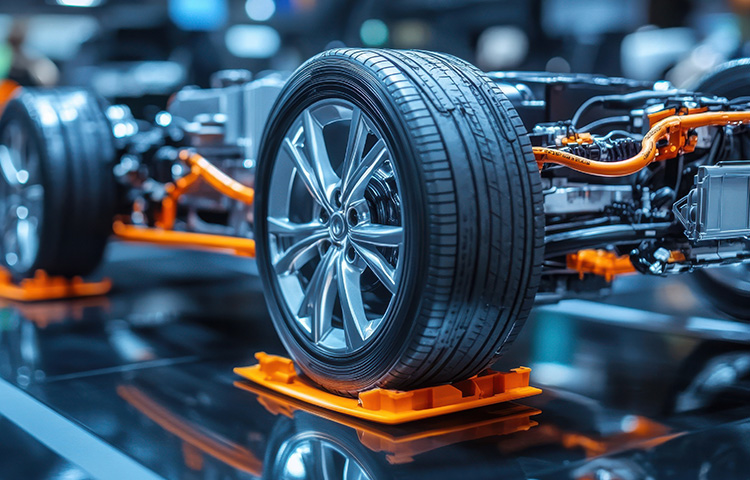
OPTIREG™ Automotive Voltage RegulatorsHighly reliable and efficient POWER SUPPLIES solutions optimized for automotive ECUs. LDO, DC-DC, and PMIC support a wide range of applications from ADAS to body control.
This is a highly reliable and efficient POWER SUPPLIES IC family for automotive ECUs, and includes LDO, DC-DC, and PMIC, achieving both safety and efficiency.
- Infineon Technologies AG
- ICT and Industrial
- Smart Factories and Robotics
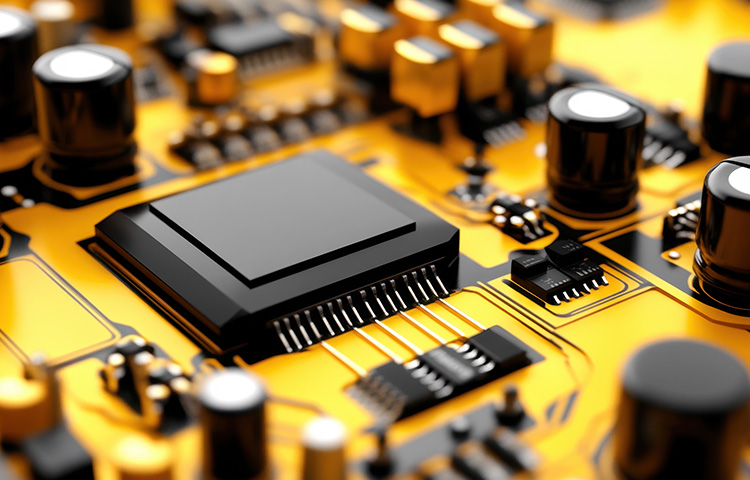
CoolSET™ AC-DC Integrated Power IC High efficiency AC-DC POWER SUPPLIES IC integrating a PWM controller and high voltage MOS FETS. Compact, highly reliable, and simplifies SMPS design.
This highly efficient IC for AC-DC POWER SUPPLIES integrates a PWM controller and high-voltage MOS FETS, simplifying design and improving reliability.
- Infineon Technologies AG
- ICT and Industrial
- Smart Factories and Robotics
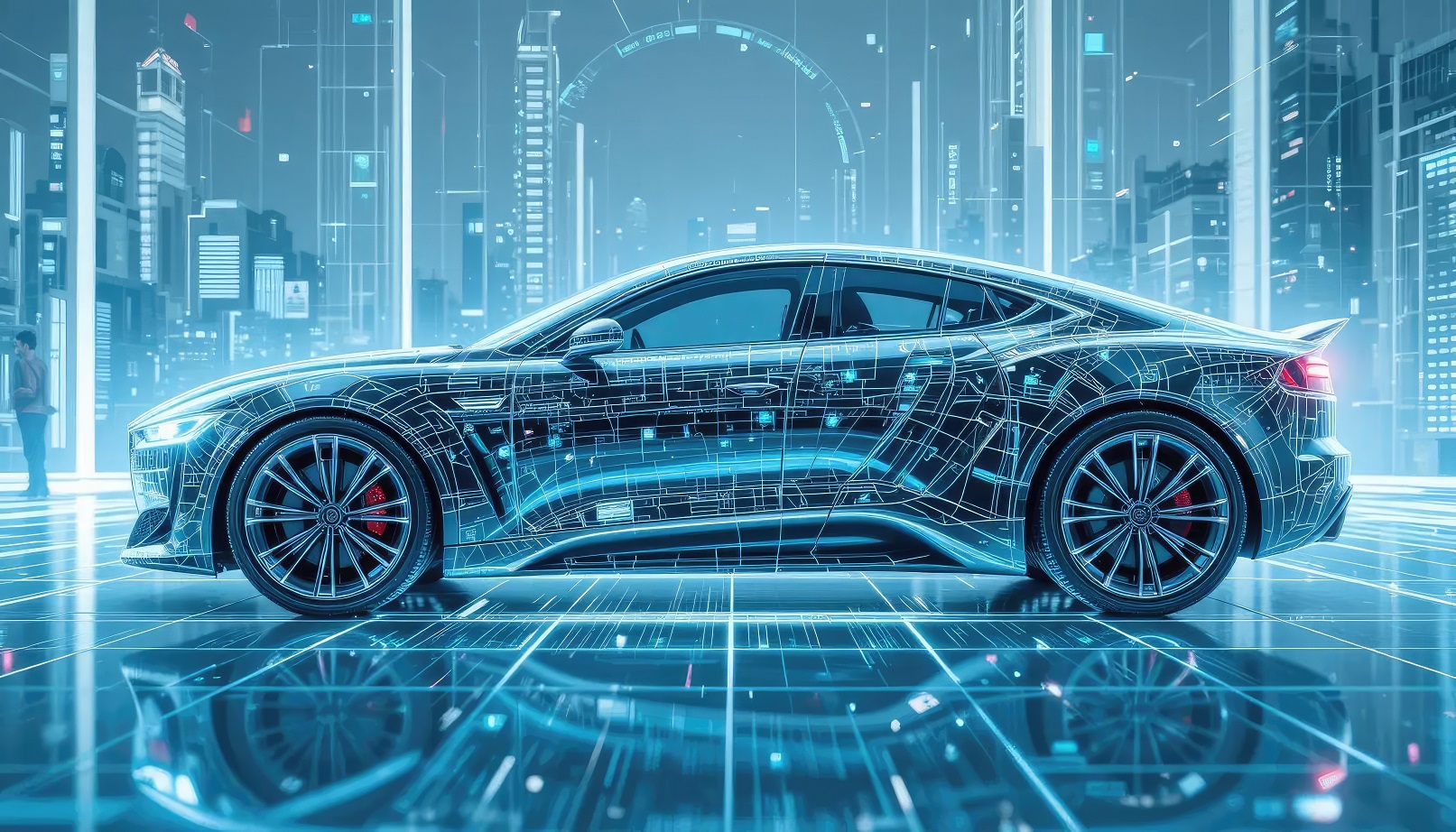
Automotive Transceiver Highly reliable and durable CAN/LIN communication ensures safety and efficiency of next-generation automotive networks.
Infineon's automotive transceivers offer high durability and high-speed communication, and support CAN FD and LIN, making in-vehicle networks safer and more efficient.
- Infineon Technologies AG
- NEXT Mobility
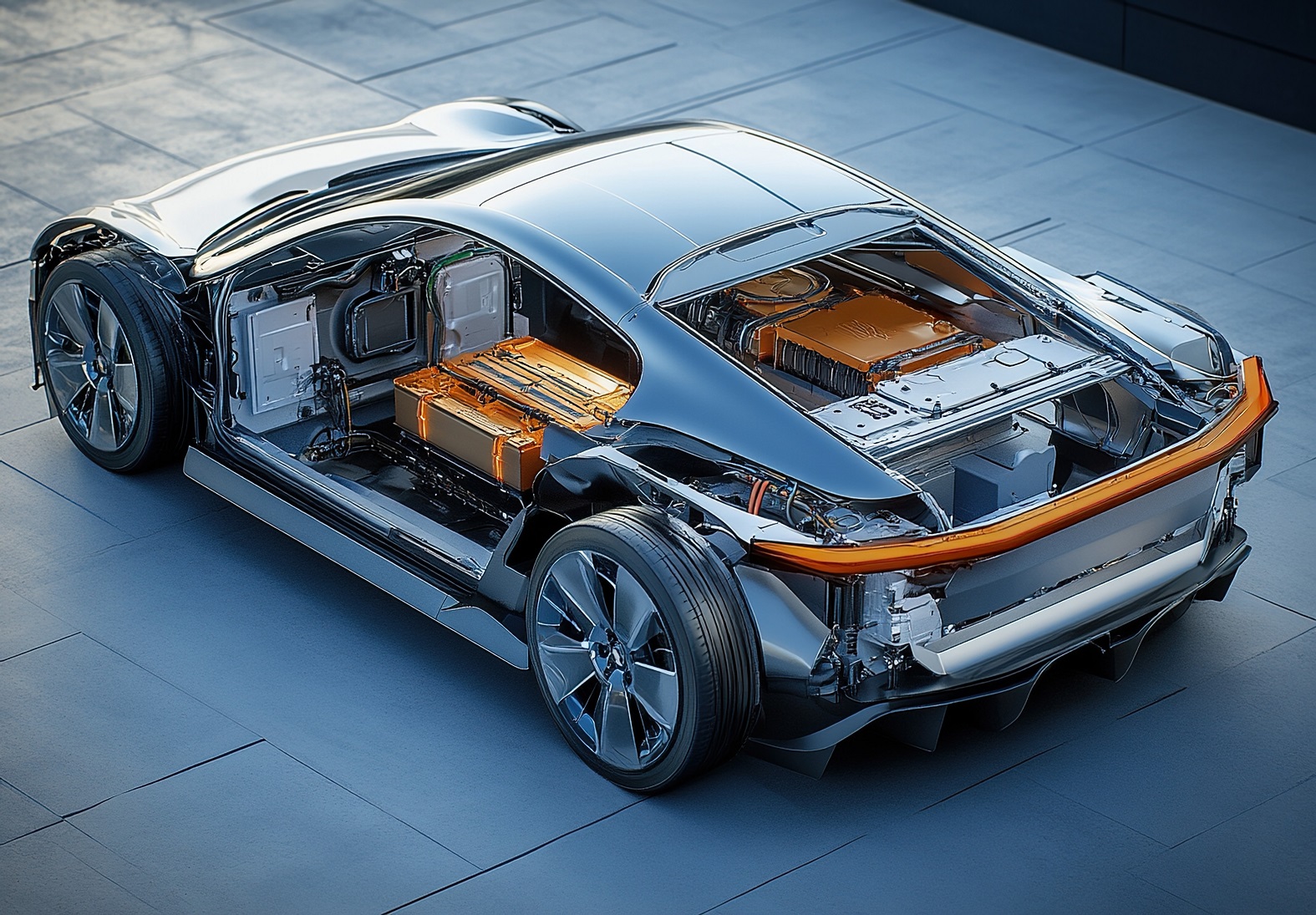
XENSIV™ Angle Sensor (GMR/AMR/TMR) High-precision angle detection from 0 to 360° with automotive-grade reliability and functional safety. The definitive magnetic angle sensor that accelerates design for steering/EPS, xEV drive, and ACTUATORS.
XENSIV™ angle sensors use GMR/AMR/TMR technology to achieve automotive-grade high-precision angle detection and functional safety.
- Infineon Technologies AG
- NEXT Mobility
Link to Related Technical Columns

What is ELECTRIC CURRENT SENSORS for your purpose? | Infineon Technologies Technical Column
This article explains the role and types of ELECTRIC CURRENT SENSORS, which are indispensable in everyday life and industrial sites. ELECTRIC CURRENT SENSORS are important elements for confirming the normal operation of equipment, and we will also introduce in detail points to note when selecting a current sensor and detection methods.
Understand the characteristics of IPDs and make effective use of them | Infineon Technologies Technical Column
Explain the role and characteristics of high-performance semiconductor SWITCHES IPD and its differences from MOS FETS. By understanding the advantages and disadvantages, you can learn the key points for selecting the best device for your application.
What is POWER SUPPLIES IC? | Infineon Technologies Technical Column
Explains basic knowledge of POWER SUPPLIES IC, types, and merits of introduction. Learn about the role and importance of power supply, which is essential for electrical products, and learn more about selection points for efficient power management.

Knowing more about MOS FETS will make your work even easier! | Infineon Technologies Technology Column
Learn about MOS FETS in detail, from their basics to their operation and selection methods. Understand their important role and applications in electrical circuits, and use them to improve your work efficiency.
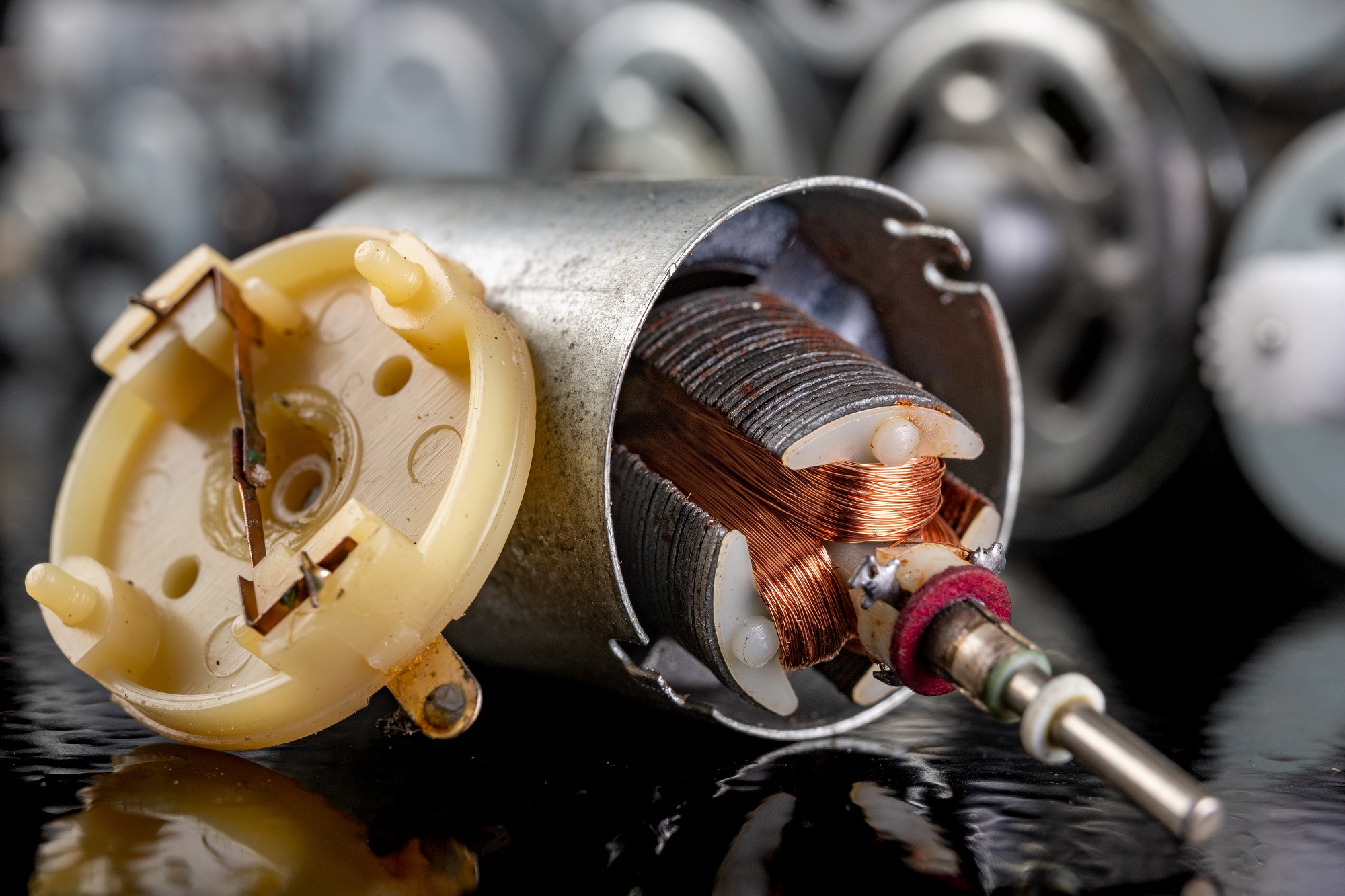
What is a motor driver? Explaining its uses and features | Infineon Technologies Technical Column
This article explains the importance of motor drivers and their types. It introduces the features of brushed, brushless DC, and stepping motor drivers, and briefly summarizes the key points for selection and the benefits of adopting one.